As it was previously in 2010 and 2011, pitching is once again all the rage now in Major League Baseball. Despite seven no-hitters tossed in 2012 by starting pitchers Homer Bailey, Felix Hernandez, Matt Cain, Kevin Millwood (with the help of five relievers), Johan Santana, Jered Weaver and Phil Humber, it’s the men in the pen that garner most of the over-the-top baseball fanaticism. Leading the late-inning charge of borderline insanity is Aussie closer Grant Balfour of the Oakland Athletics. Often seen dumping water over his head before leaving the bullpen and talking to himself in-between pitches, Balfour’s on-field antics are undoubtedly the most anticipated sight to see in the 2012 MLB playoffs.The Oakland Athletics fans’ traditional ritual of raging before closer Grant Balfour enters the
game has resurrected sleepy baseball crowd participation to electric rock concert proportions. Aussie Grant Balfour is not afraid to express himself.The raging thunder from ‘Down Under’ was called upon by A’s manager Bob Melvin in five tightly-contested games on five consecutive days to lead Oakland to the American League West Division title. Balfour’s stellar late season hitless pitching insured the A’s sweep of the Mariners and Rangers. The six-foot-two, 34-year-old Sydney native threw an inning per day and retired all 15 batters faced–which extended his streak of putting consecutive batters away to 26. He is just one of two Australian professional players to compete in a World Series as a member of the 2008 American League Champion Tampa Bay Rays and is in a perfect position to get another crack at taking home a World Series ring in 2012 with the A’s.Grant Balfour sprays Oakland A’s fans after winning the 2012 American League West Division.
A’s Derek Norris and Grant Balfour Since August 11th, Grant Balfour has converted all 17 of his save opportunities while posting a 2.18 ERA, 0.73 WHIP and 26/6 K/BB ratio over 20 2/3 innings. After a three-year stint in Tampa Bay, Balfour signed a two-year contract worth 8.1 million dollars with the Oakland Athletics in January 2011. In his 62 innings of relief for the A’s during 2011, the hard-throwing right-handed hurler struck out 59 hitters and racked up five wins for the third-place Athletics. Acquired by the Rays in July 2007 from the Milwaukee Brewers in a trade sending pitcher Seth McClung to Miller Field, Grant Balfour did not make Tampa Bay’s 2008 Opening Day roster. However, after turning heads at Triple-A Durham and closer Troy Percival being placed on the disabled list early into the season, the Rays sent Ben Zobrist to Durham in exchange for Balfour. Assuming the role of Rays closer for the ailing Troy Percival until mid-July, Balfour ended his regular season campaign with an impressive 6-2 record and a 1.54 ERA.Fellow Aussie Travis Blackley joins Grant Balfour and the A’s post-game celebration.A’s closer Grant Balfour is in the prime of his career.Grant Balfour made his MLB debut back in 2001 for the Minnesota Twins. Having now passed former MLB star Graeme Lloyd on the career strikeout list for Australian-born pitchers, he is the quintessential Aussie baseball patriarch. A’s pitchers Grant Balfour and Travis Blackley have already made baseball history by becoming the first pair of Australian Major League players to compete in the MLB post-season on the same team.Grant Balfour had 24 regular season saves in a career-high 75 games during the 2012 season. The pitching duo of Balfour and Blackley have another opportunity to imprint their names in Aussie baseball history by becoming only the second and third Australians to win a World Series ring. A fairytale ending for Oakland’s Australian connection would be most appropriate as they both have played a major role in the A’s miraculous run to the American League West title and the post-season. Like a fine wine getting better with age, Sydney’s Grant Balfour and Melbourne’s Travis Blackley are at the pinnacle of their careers and are in line to catapult the underdog to a world championship.
It’s been 40 years since Roberto Clemente joined MLB’s elite 3000 hit club on September 30, 1972 after hitting a double off Mets’ lefty Jon Matlack at Three Rivers Stadium in Pittsburgh, PA.Baseball Hall of Fame Legend and Latino Hero Roberto Clemente reaches out for his 3000th hit.1972 National League Rookie of the Year Pitcher Jon Matlack Just one year prior to dishing out Roberto Clemente’s monumental 3000th hit in 1972, the young Mets prospect and the seven other American players on the
San Juan Senadores Winter League team were personally invited to visit Clemente at his home in Puerto Rico. Currently working as a Houston Astros Minor League pitching coordinator, Matlack recalled when Clemente gathered everyone in his trophy room to talk baseball: “I thought that was pretty classy on his part. He was very personable, showed us his trophy room and memorabilia and spent
a lot of time talking about hitting. Every part of me
was awe-struck.”Matlack reminisced: “This bat was leaning in a corner. Somebody asked about hitting, and he picked up the bat to demonstrate. I remember thinking, ‘That’s a big bat,’ and
I asked about it. He said it had the maximum dimensions. He set it back down, and when everybody sort of moved on, I grabbed hold of it. I could barely pick it up. It led me to believe how strong this guy really was.” Clemente’s strength was tested when Matlack faced “The Great One” six times prior to their final reunion in the fourth inning on September 30, 1972. Clemente was hitless off him with one walk in previous matchups. Matlack’s strategy this at-bat was to avoid a mistake on the inner half, while hoping Clemente would take a quality strike on the outside corner. On a 2-2 pitch, the lefty spun a curveball on the outside.Umpire Doug Harvey hands Roberto Clemente the game ball after he doubled off the Mets’ Jon Matlack for his 3,000th career hit on September 30, 1972.
Matlack said, “As it left my hand,
I was a little upset, because I realized this thing’s not going to make the strike zone. But he took that long stride, kept himself back and pulled it off the left-center-field wall for a double.” Matlack did not recognize what had happened until the second-base umpire, Doug Harvey, presented the ball to Clemente. Jim Fregosi, the Mets’ shortstop who retrieved it, remembered Clemente’s rather nonchalant reaction. He raised his helmet briefly to the fans. Fregosi said, “He was pretty cool about everything he did. That’s how he was.” Fregosi believed Clemente understood the importance of #3000.
The Roberto Clemente Award is given annually to a player who demonstrates the values Clemente displayed in his commitment to community and understanding the value of helping others. Each of the 30 MLB clubs nominate a player, and the winner is announced during the World Series. Baseball fans will be automatically registered for a chance to win a grand prize trip for four to the 2012 World Series or $2500 of baseball equipment donated to the their community and an MLB.com gift card when they participate in the process of selecting the national award recipient by clicking HERE
to vote for their favorite 2012 Roberto Clemente Award nominee: Willie Bloomquist (Arizona D-backs), Tim Hudson (Atlanta Braves), Jim Johnson (Baltimore Orioles), Jon Lester (Boston Red Sox), David DeJesus (Chicago Cubs), Jake Peavy (Chicago White Sox), Todd Frazier (Cincinnati Reds), Jason Kipnis (Cleveland Indians), Michael Cuddyer (Colorado Rockies), Miguel Cabrera (Detroit Tigers), Wesley Wright (Houston Astros), Alex Gordon (Kansas City Royals), C.J. Wilson (Los Angeles Angels), Clayton Kershaw (Los Angeles Dodgers), Logan Morrison (Miami Marlins), Rickie Weeks (Milwaukee Brewers), Justin Morneau (Minnesota Twins), Johan Santana (New York Mets), Mark Teixeira (New York Yankees), Brandon McCarthy (Oakland Athletics), Jimmy Rollins (Philadelphia Phillies), Chris Resop (Pittsburgh Pirates), Matt Holliday (St. Louis Cardinals), Luke Gregerson (San Diego Padres), Matt Cain (San Francisco Giants), Felix Hernandez (Seattle Mariners), David Price (Tampa Bay Rays), Michael Young (Texas Rangers), Ricky Romero (Toronto Blue Jays) and Ryan Zimmerman (Washington Nationals).2008 Roberto Clemente Award winner Albert Pujols congratulates David Ortiz after being named 2011 Roberto Clemente Award winner before game two of the 2011 World Series between the St. Louis Cardinals and Texas Rangers.Past Roberto Clemente Award winners have included David Ortiz, Tim Wakefield, Derek Jeter, Albert Pujols, Craig Biggio, Carlos Delgado, John Smoltz, Edgar Martinez, Jamie Moyer, Jim Thome, Curt Schilling, Al Leiter, Tony Gwynn, Sammy Sosa, Eric Davis, Kirby Puckett, Ozzie Smith, Dave Winfield, Barry Larkin, Cal Ripken, Jr., Harold Reynolds, Dave Stewart, Gary Carter, Dale Murphy, Rick Sutcliffe, Garry Maddox, Don Baylor, Ron Guidry, Cecil Cooper, Ken Singleton, Steve Garvey, Phil Niekro, Andre Thornton, Greg Luzinski, Rod Carew, Pete Rose, Lou Brock, Willie Stargell, Al Kaline, Brooks Robinson and Willie Mays.Willie Mays congratulates Roberto Clemente after hitting his 3000th and final career regular season hit in a game against the Mets in Pittsburgh on September 30, 1972.
2011 Branch Rickey Award recipient Shane Victorino Shane Victorino, star center fielder of the Los Angeles Dodgers and winner of the 2011 Branch Rickey Award,
was inducted as the 20th member of the Baseball Humanitarians Hall of Fame last November. Created by the Rotary Club of Denver in 1991, the Branch Rickey Award honors MLB personnel who contribute unselfishly to their communities and who are positive role models for young people. All 30 Major League teams nominate
a player, coach or executive–either active or retired–who personify Rotary International’s motto of “Service Above Self” for this nationally-acclaimed award named in honor of the late baseball executive Branch Rickey–best known as “Mr. Baseball” for breaking baseball’s color barrier by signing Jackie Robinson and hiring the first Latin American to be selected to the Hall of Fame, Roberto Clemente.
2012 Branch Rickey Award recipient R.A. Dickey It was announced recently that the National Selection Committee–comprised of 300 members of the sports media, past award winners, baseball executives and Rotary district governors–had chosen R.A. Dickey, star pitcher of the New York Mets, as the winner of the 2012 Branch Rickey Award and the 21st member of the Baseball Humanitarians Hall of Fame. Dickey was recognized for his charity work distributing baseball equipment and medical supplies internationally
as well as raising money for an organization rescuing young women from forced prostitution in India.
Jackie Robinson and Branch Rickey at contract signing Other 2012 Branch Rickey Award nominees included: Joe Saunders,
Tim Hudson, Adam Jones, David Ortiz, Tony Campana, Jake Peavy, Jay Bruce, Vinnie Pestano, Jeremy Guthrie, Justin Verlander, Bud Norris, Alex Gordon, Jered Weaver, Don Newcombe, Emilio Bonifacio, Rickie Weeks, Justin Morneau, David Robertson, Kurt Suzuki, Ryan Howard, Chris Resop, Matt Holiday, Orlando Hudson, Matt Cain, Felix Hernandez, Joe Maddon, Michael Young, Ricky Romero, and Ryan Zimmerman. In years past, Past Branch Rickey Award recipient and Baseball Humanitarians Hall of Fame Inductee Torii Hunter’s positive impact on youth in need is felt worldwide.Branch Rickey Award winners have included: Dave Winfield, Toronto Blue Jays; Kirby Puckett, Minnesota Twins; Ozzie Smith, St. Louis Cardinals;
Tony Gwynn, San Diego Padres; Brett Butler, Los Angeles Dodgers; Craig Biggio, Houston Astros; Paul Molitor, Minnesota Twins; Al Leiter, New York Mets; Todd Stottlemyre, Arizona Diamondbacks; Curt Schilling, Arizona Diamondbacks; Bobby Valentine, New York Mets; Roland Hemond, Chicago White Sox; Jamie Moyer, Seattle Mariners; Tommy Lasorda, Los Angeles Dodgers; John Smoltz, Atlanta Braves; Trevor Hoffman, San Diego Padres; Torii Hunter, Los Angeles Angels of Anaheim; Vernon Wells, Toronto Blue Jays; and Shane Victorino, Philadelphia Phillies.
When the 2008 Dirtbag reliever was called up to join the Padres in MLB in May, Nick Vincent became the 13th former Long Beach State ballplayer in the major leagues this season and the 42nd
in school history. Since the right-handed hurler was summoned, CSULB is once again on top for the most major leaguers from any college–an honor the team has held in 2010 and 2011.Ramona’s hometown hero Nick Vincent is a solid contributor in the San Diego Padres bullpen.Pitcher Nick Vincent in 2007Getting to the big leagues for this determined 26-year-old resident of Ramona, a secluded town of 40,000 inhabitants in the foothills northeast of San Diego was a grind. Inspired by his father–who along with his brother–played catch with him at age five and later instilled a strong work ethic as a youth helping with the family business, Nick became Valley League Pitcher of the Year as a senior at Ramona High School and led the Bulldogs to the CIF San Diego Section Division III semi-finals. Vincent was granted a medical redshirt because of a strained right elbow in the first season of his long three-year commute to Palomar College in San Marcos. He learned the fine intricacies of the game and developed his craft before his journey north to Cal State Long Beach–where he transformed into the Dirtbag Stopper under pitching coach Troy Buckley.
Coach Troy Buckley With a perfect 4-0 record and a 1.75 ERA over 30.3 innings and 26 appearances in relief, Vincent was instrumental in Long Beach State Dirtbag’s 2008 Big West Championship. The San Diego Padres took notice and selected Nick Vincent in the 18th-round of the 2008 MLB Amateur Draft. Vincent spent the entire 2009 and 2010 seasons with Padres’ Single-A Advanced affiliate Lake Elsinore, where his 3.08 ERA in 2009 was nearly cut in half to a 1.59 ERA in 2010. The six footer was promoted in 2011 to Double-A San Antonio, where he appeared in a Missions’ club record 66 games and struck out 89 batters in 79.3 innings during the regular season. He was named to the Texas League All-Star team and led San Antonio to a Texas League Championship. After posting an 8-2 record with a 2.27 ERA in 66 appearances for Double-A San Antonio and being named mid-season 2011 Texas League All-Star, Vincent was the final player added to the Padres 40-man roster last November to protect him from being exposed to the Rule 5 draft.Nick Vincent waves to fans at PETCO.Vincent was stellar in the 2011 playoffs, when he pitched six scoreless innings without giving up a walk and striking out 11. The California native made a strong case to make the Padres 2012 opening day roster after three spring training relief appearances, during which he didn’t allow a hit in three innings and struck out three. Instead, an ankle sprain kept him in Arizona for rehab and extended spring training. We spoke with Nick Vincent shortly after his May 18th call-up to MLB and his reassignment from Triple-A Tucson Padres to Double-A San Antonio, where he decided to abandon throwing out of the windup because it put too much pressure on his ankle. The results were remarkable as he went 1-0 with a 1.86 ERA in 9.6 innings of relief, ringing up 15 without issuing a walk. Since being called up
a fourth-time to the Padres this year, Vincent has been impressive in the bullpen by providing middle relief with a 2-0 record and a 1.83 ERA. San Diego Padres Manager and ex-pitcher Bud Black
Padres manager Bud Black said of the reliever. “We like Nick’s stuff and he throws strikes. Nick knows his game. He throws a cutter and fastball to both sides of the plate. His game works. He’s just a little bit more consistent than some of the other guys that have come up. We like how he’s throwing the ball, we like his stuff.
He does a lot of things well.” A cordial and genuinely nice guy, Nick Vincent also has the positive disposition and outlook to make the new ownership of the San Diego Padres proud to see a local boy realize his dream in MLB.
Roberto: How are you feeling after being called up to the major leagues as a Padre? Nick Vincent: I feel pretty good. It was an unreal experience. I mean the first day I was just in awe. How it happened and all that. And then the second day I actually felt it like ’Wow, you’re in the big leagues. This is what it feels like’ kind of thing. When they told me that I was going back down, I wasn’t too surprised. But that feeling you get in your body from going from Tucson (AAA) to the big leagues is an unreal feeling. I don’t think I have ever felt that feeling before in my life. Roberto: How important was your college baseball experience in becoming a pro leaguer? Nick Vincent: I played down at Palomar Junior College down in San Marcos. Played there for three years. I got hurt my first year, and there is where I learned most of my baseball. From high school to that, I learned probably ten times from what I knew about baseball from high school. It was unreal, and then I just carried that on to Long Beach with my numbers and stuff. And just started pitching well out of the bullpen there. The main reason I went to Long Beach is because the pitching coach there: Troy Buckley. I mean he had the best ERA in 2004 or 2005 with (Jered) Weaver, (Neil) Jamison, (Abe) Alvarez…they had all these pitchers. And I talked with one of them, Neil Jameson, because he went to Ramona. He was like: ‘If you want to learn how to pitch, this guy knows his stuff.’ That was the main reason
I went there because I didn’t know if they were going to be a good team or not. I didn’t check into that, but I thought if I wanted to continue pitching then I’m going to go with the best pitching coach. Roberto: How good can it get to be pitching professionally where you grew up as a kid? Nick Vincent: I mean San Diego is all the way around probably the best city in California…just because of the weather. There is so much stuff to do. You go two hours, and you’re in the snow. You’re right by the beach. You can go fishing. You can go to the lakes. There is just so much stuff you can do around downtown. I mean you can’t really do that in LA. Roberto: How did your family react seeing you in a Padres uniform at PETCO on May 18th? Nick Vincent: My dad had bought like 80 tickets. I think he only gave out 50. But he ended up bringing the other ones back, and they reimbursed him for those tickets he didn’t use–so that was cool of the Padres. When I warmed up in the seventh inning, I got up to throw and the whole section right by the bullpen–that’s where he had bought all the tickets–erupted. Friends, family, from high school, my brother’s friends, other friends..it was pretty cool! Roberto: How have you coped with the pressures of staying up in the big leagues? Nick Vincent: I went up there and learned some stuff. I mean when you go up there when the game starts, it’s all business. There’s not too much messing around..none of that! So that was one of the biggest things I felt. Everyone is pretty serious..like every pitch. You’re watching every pitch. Nervousness…no matter what…that first inning you throw–you’re always going to be nervous no matter what. And as soon as you get through all of that…then that’s when everything will start cooling down. I mean I’m excited. I’ve got to get the ball down, keep pitching better. Be smart of what I ‘m throwing and get the ball down. I was up in Tucson (AAA), and I was leaving the ball up a lot so they told me I was coming down here (AA). You don’t pitch (well) there, you get moved down. That’s just how baseball is. Roberto: Is your cutter your best pitch? Nick Vincent: Yeah, I can throw my cutter to both sides of the plate. It has good late life. Roberto: Is it a dream come true getting drafted and playing Major League Baseball? Nick Vincent: I mean everyone who gets drafted…that’s where they hope their destiny is. But I mean you got to earn it. So for me I’ve got to come down here and throw strikes and get people out. I mean I would hope to get back there, but at the same time they are not going to be bring me back up if I’m not pitching good. So I’ve got to get back doing my thing, get people out and hopefully…I mean that’s where I want to be (in MLB). If I’m pitching good, that’s where I’ll be. But if I’m not pitching good, then I’ll be down here (in AA).Roberto: Have you always been a pitcher way back to your Little League days? Nick Vincent: In Little League and stuff, I pitched but not to be like good at it. I just did it because no one else could throw strikes. And I played outfield more back then. High school came along. The JV coach wanted me to be a pitcher so I went ‘okay’ and I started pitching then. Junior and senior year came along, and I just pitched. That’s all I did. So after that, pitching was the only thing that I could go to. Roberto: Is there a different mindset being a reliever than being a starting pitcher? Nick Vincent: Yeah, it’s a way different thing. You can’t be a reliever and go out there and try to start and have the same mentality because you’re not going to. You can’t go out there and throw an inning as hard you can and expect to be that good the next inning. So starting and relieving are two different things. I mean I started at junior college. I liked it. I started doing relief at Long Beach, and I liked that too. For me I think I would be more successful as a reliever out of the bullpen because you get that adrenaline going. And like for me, I want to go in with guys on base right after a starter and we’re like winning or something. And you just shut those guys down and don’t give in and take the momentum from the other team. Roberto: What kind of pre-game preparation and research on the opposition are you doing? Nick Vincent: I’m not really doing much. If you’ve only got two pitches. you’re going to throw those two pitches no matter what. Just because they can’t hit a change-up, you’re not going to start throwing change-ups because your change-up is not the same as everyone else’s change-up. For me I’m just going to go out there, and I just look where they’re at standing at the plate. I’m kind of studying them throughout the series, but
I mean it only takes one game to figure out what these guys can do, what they want to do with the ball. If the guy wants to go opposite field with it, then that’s where he’s going to hit the ball that way the whole time. And then you have to play the whole field. If the wind is blowing in this way, you can throw pitches that way. You got more chance for error. I just go up there, and I learn from where they’re standing in the box. I trust our catchers too. Our catchers are watching the game more than I am. So I trust them with their knowledge.Roberto: Are you paying much attention to baserunners when you are on the mound? Nick Vincent: Yeah, you’re always taking note that they are on base, but they’re not taking my concentration off the hitter at all. I mean I’m pretty quick to the plate so if they want to steal and take the chance of getting out…I’ll let the catcher do his job. I don’t throw many balls in the dirt. I’m more of a strike guy. If they want to chance it and run for second base, I’ll let them and let the catcher throw them out. I’m not really too worried about the guys on base. Roberto: How good of a hitter are you with the bat? Nick Vincent: I’m not good with the bat. I got one AB last year, and I struck out. When you haven’t hit since high school and you try to go out there, it’s coming like a 100 miles an hour. Or least that’s what it feels like. Roberto: If Bud Black calls on you to sacrifice, can you at least lay down a bunt? Nick Vincent: If I had to, I could get that down. Bunting off a machine is way different than bunting off a guy in a game. I know that… Roberto: Do you have any advice for young baseball players trying to make it in MLB? Nick Vincent: I mean just go out there and work hard. Prove people wrong, that’s what I’ve done my whole life. They always said I wasn’t going to get drafted because I was too small and didn’t throw hard enough and all that. So that just gives you fire kind of deal.
You go out there and let’s say you’re throwing 85, 86 and you’re getting people out—you’re getting people out! Baseball is a numbers game. Sooner or later they’re going to have to give you a chance. That’s all I have to get back to doing and see what happens from there. Roberto: Who were some the players that had the greatest influence on you as a pitcher? Nick Vincent: Back in the 90’s when it was Glavine, Maddux and Smoltz, that starting rotation right there. It seemed like they were on TV every night. Watching them…what Maddox could do with ball, and then Smoltz throwing fastballs by people and Glavine had his change-up. That three starting line-up was like unreal. As a starting rotation, those were probably my favorite guys I liked to watch. Roberto: Thanks for your time today, and we look forward to seeing you back at PETCO! Nick Vincent: Thank you and have a good day.
Utility baseball player Dean Anna is the consummate leader.
A three-sport letterman in baseball, basketball and golf while attending Lincoln-Way East High School in Mokena, Illinois, he chose baseball at John A. Logan College in Carterville and was rewarded by being named All-Great Rivers Athletic Conference during his sophomore year after leading his team in home runs and breaking the school record for RBI. Dean Anna’s leadership continued as a junior transfer at Ball State in Muncie, Indiana–where he led the Cardinals in doubles, triples, walks and runs.Missions’ Dean AnnaThe Padres took notice and selected the versatile five-foot-eleven right-handed fielder/left-handed batter in the 26th round of the 2008 MLB Amateur Draft. Since then the Midwesterner has proven worthy in the Padres minor leagues by catapulting his teams to three championship titles in Fort Wayne (2009), Lake Elsinore (2011) and San Antonio (2011). Having played in three 2012 Padres Spring Training games before being sent back to San Antonio to defend the reigning Texas League Champion Missions, super utilityman Dean Anna is making a difference in the team’s nightly do-or-die must win scenario to make the playoffs since six of the Missions’ remaining handful of games are against second-half leader Corpus Christi Hooks, who are ahead of San Antonio by nine games.
After speaking with Missions’ Dean Anna, we found him to be one of the most humble players in the dugout. His work ethic is unparalleled and his ‘never say die’ approach to the game is commendable. With the Missions needing their clutch player to step up and lead the team to the post-season, Dean Anna is more than capable to take on the role as captain. Batting .282 with 10 home runs and 47 RBI, Anna’s on-base percentage of .392 is among leaders in the entire Texas League. The 25-year-old prospect is certainly exciting to watch, and we expect to see him play his best baseball yet in his quest to help his team repeat.Dean Anna led the Fort Wayne TinCaps to the 2009 Midwest League Championship.Roberto: I understand you have played every position on the field but catcher, correct? Dean Anna: The only catching I have done…caught a few bullpens. If the opportunity came, I think that I would have to catch. But I haven’t caught a pitch yet. Roberto: Would you like to try pitching professionally? Dean Anna: Yeah, I would love to actually. I have always wanted to try one inning or two just to see how it is out there. Make me feel like I was 10 again pitching. Roberto: How does playing second base differ from playing shortstop in regards to turning the double play? Dean Anna: Well, second baseman, there is three different turns, you know. Second base you got a drop step, you got a flip and then you got a side flip. So I mean you just really work on your craft, you know. At first it’s real difficult when you start at second base. Because I started at short(stop) all of my career, and I moved to second when I got to pro ball. And you know I thought it would be easy, but actually it was a little hard because of all the different type of turns for double plays from throwing it from shortstop. The drop step was different, the side flip was different and the underhand flip was different. And you use them in a different type of areas. So you really have to understand what area you’re in for what ball to throw, you know. So that was the big thing. Even to turn double plays when you’re on the bag…you know there’s a way of doing it that way. It seems to look easy but wherever the ball’s taking you–you have got to go to it. And you have got to be quick as possible and get out of there because that runner is getting on you fast. So that’s another thing you have got to have quick hands. Roberto: When has a baserunner crossed the line to intentionally cause you harm? Dean Anna: You know what? If a cleat hits you, you know they’re out of hand probably. But it’s hard to tell because you can’t see the runner sliding because you’re focusing on the ball thrown at you. So both of your eyes are following the ball. It’s impossible to look at the runner while the ball is in the air and catch it at the same time. So you’re just hoping, you know. You kind of have a clock in your head so you kind of know when the runner is coming to second base. So you know when to get out of there. But sometimes it’s hard. Sometimes you forget the time of it and how fast the runner is getting on you. San Antonio Missions’ infielder Dean Anna turns a double play.Roberto: How difficult is it to remain engaged in the game when you play nine innings night after night? After all, isn’t baseball a game that can change instantly with one single pitch? Dean Anna: Yeah, that’s how baseball is played. I mean every pitch matters, you know. There’s a situation on every different pitch. You have got to be on your toes. Sometimes if you are not ready for what that moment is going to bring to you it can cost your team a game, you know. So that’s a big part of baseball, just staying in the game the whole time and having that mental toughness–just knowing everything, what’s going on… Roberto: As an infielder, do you communicate with your outfielders on the field? Dean Anna: Yeah, you know, the right fielder and me (second baseman). We talk pretty much with every batter. We kind of know where we are going because I know if he is playing shallow or deep. Especially on guys, right-handed hitters, that maybe stay inside the ball well and hit the ball good to right field. We’ll know that he should be coming in a little shallow. So I kind of know that we’re not going to blow into each other, you know. The tough ones are when the ball is kind of sinks into center, like right center or left center. That means that you have all three players running at it. And that’s when it gets confusing, where the communication gets confusing. But with right field and second base, we’re okay out there. We kind of know where we’re staying. Roberto: Were you hurt being selected as a late round draft instead of an early pick? Dean Anna: No, you know, it didn’t bruise my ego at all. I was just happy to get the opportunity to play pro ball. That’s what I have always wanted to do. And you know I was going to give it my best, and I’m doing pretty good right now and stuff like that. I just wanted to have a chance, an opportunity that ‘s all you can ask for in life actually. So I’m just happy for that. Roberto: Are you ready to be called up to Major League Baseball by the Padres? Dean Anna: Yeah, I mean I’m definitely ready if they’re ready, you know. But I’m just playing ball and having fun. It’s day-by-day. I mean I have no control over any of that stuff. I wish I was a psychic. Yeah, that would be real nice. That’s fully out of my control. I just take it day-by-day. I play as hard as I can, and you know hopefully good things will happen.Ex-Mission and current Padre reliever Miles Mikolas holds up his championship ring for the fans.Roberto: Do you stay in touch with all of your teammates who have made it to MLB? Dean Anna: Oh yeah, we definitely do. I talk to a couple guys like (Blake) Tekkote, Miles (Mikolas), (James) Darnell. Those guys had a great time, they’re having fun up there. They said it’s an unbelievable experience, you know their first-time, their first game. Hopefully one day I can get the same feeling. Roberto: Are you prepared for all of the rookie pranks that go along with being in MLB? Dean Anna: Yeah, hey, if I can get to the big leagues they can prank me everyday (laughter). Yeah, I’ll be the prank guinea pig. I don’t care (laughter). Roberto: Do you think being five-foot-eleven and 180 pounds puts you at a disadvantage? Dean Anna: I mean the size for me…it doesn’t really matter. Honestly, I feel like it’s not like football or basketball where you have got to be 6’6”, you got to run a 4.2 forty. Baseball is such a mental game and if you can just read between the lines well. I mean a smart baseball player…that will make you look better. Just being a smart baseball player, I think plays a big role in all that. Roberto: Don’t you think that being a left-handed hitter has its advantages? Dean Anna: Yeah, that definitely helps a little bit for sure. Get down the line a little quicker. Roberto: Having only reached double digits in the stolen bases category early in your professional career, why don’t you steal more bases with the speed that you possess? Dean Anna: You know…I’m not a big steal guy, but I have real good anticipation like when the ball is hit. I can tell if the ball is going to drop or not without looking. Like I just know that I can probably get (from) first to third with a line drive and know that the fielder is not going to catch the ball. I just got good instincts. Roberto: Where did you pick up this talent? Did good coaching have anything to do with it? Dean Anna: Yeah, definitely great coaching helps out…you know. After a while, you just get a feel. You know how the ball sounds off the bat. You know where the ball’s going. You just kind of get a feel for the game when you play for a while and start getting a rhythm. You just kind of know.Roberto: Who did you used to follow before becoming a part of the Padres organization? Dean Anna: I’m a Midwest guy from the Chicago suburbs. My family is all diehard Cubbie fans. Yeah, it runs through our blood. Roberto: Do you have your suitcase ready to go if you get called up next month? Dean Anna: No, my bags are not packed. Honestly, I’m just taking it day-by-day. If that does comes…that opportunity…I would be so happy, you know. I’m just excited to see what happens. Roberto: Excited to get pranked? What has happened to you so far in the minor leagues? Dean Anna: When I was in High-A, everyone knows that I don’t like animals and stuff.
You know I’m kind of a city guy so I don’t like all the country stuff and all the fishing and stuff. One guy had a little snake and it was live. So he put it in my pocket in my locker,
right where my phone’s at. So I go to grab my phone, and this little snake pops out of my pocket. I did a back flip down on the floor. So then after that, I almost had a heart attack. And then I ‘m sitting, watching TV. I had my shirt tucked in and one of my teammates opens my shirt and puts the snake down my back. I went crazy! That was kind of funny… Roberto: With your fear of snakes, did you cringe when you learned that former teammate Miles Mikolas ate a live lizard in the Arizona Fall League bullpen? Dean Anna: I texted him that same day when I heard and asked him what he was thinking. He said it was funny and good protein intake. Roberto: What is your biggest baseball taboo? Dean Anna: I’m a big guy where I don’t want anyone to touch my baseball gloves. I don’t like anyone putting their hands in them. Roberto: Do you have a pre-game routine that you follow? Dean Anna: I like to really relax like for an hour. Get off my feet and just relax. Listen to my music. Calm down, you know, relax. Get mentally prepared for the game. Roberto: What about your routine at-bat and in-between pitches? Dean Anna: My ritual when I go up to bat…I always do my batting glove thing. Like every pitch I do this one batting glove, I tighten my left one up then my right one up. Then I touch the two outside corners of the home plate. Then I get ready to go. I feel like in baseball you’ve got to be consistent to move up. So everything I do I make sure to do the same way. Just because your brain works that way, you know. Your brain works like if you do the same thing it should trigger something.Dean Anna celebrates with his teammates after a walk-off home run blast by Jason Hagerty.Roberto: The golden sombrero is not a good thing in baseball. Have you ever struck out
four times in the same game? Dean Anna: If I got the golden sombrero, I would change what I ate that day. Like if I had bad games, I make sure that whatever I ate that day…I wouldn’t eat it the next day. I make sure that I wouldn’t wear the same shoes to the field. Like I’m a superstitious guy a little bit. Just because this game makes you kind of like that.. But when I’m going good I’m eating the same food everyday. I’ll walk the same way. I’ll take the same path. Just because it’s just a mindset thing. Roberto: What is your personal professional best hitting streak to date? Dean Anna: I’ve recently had a nine-game hitting streak, and I just didn’t shave for nine days. So I was getting a little scruffy, and then it ended. I mean it didn’t get that bad, but
it was getting bad where people were asking ‘What are you doing?,’ you know. But I wish it could have gone a little longer. Roberto: Are you happy to have been part of the San Diego farm system? Dean Anna: The Padres organization is great, you know. I’m happy to be a part of them. Hopefully someday I can get up there and witness that. And have fun with that. It seems great. Everyone says it’s great. So it would be nice. I’ve been out there once when I was
in High-A Lake Elsinore. We actually went out for a game and everything was beautiful. Everything was so nice. Hopefully one day I can play there and get my chance. Roberto: Did you enjoy your time playing in the Midwest as a member of the Single-A
Fort Wayne TinCaps? Dean Anna: When I was at Fort Wayne, it was nice because I have family out there that way. So I saw my family a lot. Roberto: Did the humidity and heat in Indiana prepare you for the weather you are now experiencing this summer in the Texas League? Dean Anna: Nothing compares to San Antonio heat. Honestly, it’s very hot out here! Roberto: Sometimes do you flash back to the good old days in California playing for the
Lake Elsinore Storm when it’s over 100 degrees outside at game time in San Antonio? Dean Anna: Lake Elsinore was not bad at all. The thing that surprised me about Lake Elsinore is that it can get cold out there. I’ve never been out to California since I was in
the Cal League and that was last year. I couldn’t believe how cold is was in the beginning. Because I was like ‘California, is that place cold? Really?’ Roberto: Southern California weather is hard to beat. Wouldn’t you agree? Dean Anna: Yeah, yeah…it was nice, very nice! Roberto: How about the beautiful sights there? Now you truly understand what the
Beach Boys meant when they wrote ‘California Girls’? Dean Anna: (Smiling) Yeah, it makes sense! Roberto: Thanks for your time and sharing so much with us today. Dean Anna: It was a great interview. It was fun. It was great—thank you!
Although half of MLB.com Jonathan Mayo’s 2011 Top 10 Outfield Prospects have made their splash into Major League Baseball, the remaining five prospects–including former Boston Red Sox 2009 first-round draft pick and current Padres AA-affiliate San Antonio Missions leadoff hitter Reymond Fuentes–have yet to make their grandiose MLB debut despite possessing the five-tools necessary to become successful in the big leagues. Reymond Fuentes was the Boston Red Sox 2009 first-round draft pick who was traded with Casey Kelly, Anthony Rizzo and Eric Patterson to the San Diego Padres organization
in exchange for Adrian Gonzalez.Considered the “other” prospect San Diego received packaged with right-handed pitcher Casey Kelly, first baseman Anthony Rizzo, and a player to be named later (Eric Patterson) in exchange for trading Adrian Gonzalez to Boston in December 2010, the speedy 21-year-old Reymond Fuentes has the genetic makeup to break into the Bigs. Just ask his cousin, seven-time MLB All-Star/Puerto Rican philanthropist and baseball advocate Carlos Beltran. “I’m very proud of him,” Beltran said. “I believe he’s going to make it to the big leagues. I told him, ‘As hard as you’ve worked so far, you’re going to have to work double to get where you want to go.'” Upon hearing the news of Reymond being shipped out west, Beltran was concerned about his cousin’s reaction and called him immediately. He said, “Sometimes when you’re young and a team trades you, they think they don’t like him. So I told him, ‘Man, the best thing that happened to you was being able to get traded to San Diego because that organization is an organization that doesn’t have players on long-term deals. And if you put up a good year, you play hard, you can play in the big leagues as soon as possible.’” Reymond Fuentes scored twice in Puerto Rico’s 8-4 victory over U.S.A in the 2011 World Cup.
Chosen to represent San Diego as a member of the World Team at the 2011 All-Star Futures Game as well as lead off for the Puerto Rican national team in the 2011 World Cup and Pan American Games, six-foot Reymond Fuentes is looked up to by many aspiring Caribbean ballplayers with the same dream. Having built the Carlos Beltran Baseball Academy in his native Puerto Rico to educate and nurture young athletes, cousin Carlos Beltran in the spirit of legend Roberto Clemente gives back generously to his people–especially when it comes to family. Carlos said, “I’m going to do everything I can to help him out. I work out with him in Puerto Rico, and I invite him to my house, and he’s there way early–so he’s hungry. For being so young, that really impressed me the most–more than his talent. Hopefully he lives up to that, and I can watch him play in the big leagues and maybe play against him one day.” Puerto Rico’s Reymond Fuentes steals a bag in the 2011 Juegos Panamericanos against Cuba.Fuentes at the 2011 Futures GamePart of Team World’s outfield with current MLB players Dayan Viciedo (Chicago White Sox) and Starling Marte (Pittsburgh Pirates) in the 2011 All-Star Futures Game, Reymond Fuentes was one of two prospects selected from the San Diego Padres organization. Named the Friar’s #13 prospect by MLB.com and rated the franchise’s best baserunner by Baseball America following a successful 2011 at Single-A Advanced Lake Elsinore with 41 stolen bases, Fuentes has been the spark plug for the 2012 AA San Antonio Missions. We caught up with Fuentes recently in San Antonio at Wolff Stadium after the post-game fireworks, which the youthful Reymond kindly requested to watch before conducting the interview. Roberto: You look good having put on 15 pounds of muscle during the offseason for additional power without compromising your lightning speed. With teammate Dean Anna having a great 2012 season and sometimes leading off, Missions’ manager John Gibbons has switched up the line-up and placed you in different slots. Do you care where you are placed in the line-up? Fuentes’ speed on the bases and in the outfield led Lake Elsinore to a 2011 Cal League Championship. Reymond Fuentes: Anything that
can help with the team win–I will just
do it. Just follow orders from my manager and just play the game that I love and know how to do. Roberto: As the Missions’ team leader for stolen bases on par for 30-plus in 2012, do you enjoy making the opposing pitcher worry about you when you are on the base paths? Reymond Fuentes: Why not?
I mean I do my role then they have
to do their role.
Roberto: Having an eagle eye vantage point of all the action on the field, do you like playing center field? Reymond Fuentes: Center field is awesome. My speed and my range help me a lot. It’s fun just to run down balls and get those hits off the other team. And get them angry a little bit…you know what I mean. It’s a lot of fun tracking balls and making those diving catches is the best! So I love center field, and I wouldn’t change it for anything else. Roberto: After being involved in the trade that allowed Boston to acquire Adrian Gonzalez from San Diego, was there any love lost when you had to say goodbye to Fenway? Reymond Fuentes: You know it
was really tough not to see my old teammates from Boston, but I mean being traded for Adrian is a huge step for me. I mean Adrian is an All-Star. He’s a great player. I think it’s a real honor to get traded for him and just join this team, play the game with the same attitude and effort in Boston here. Roberto: Please tell me about your deep family connections to Major League Baseball. Reymond Fuentes: Carlos Beltran is my mom’s cousin. We work out in the offseason everyday–hitting, fielding, throwing, catching. He’s a great guy. He taught me a lot on the field and off the field. He’s taught me a lot of stuff about life so I have to thank him. My dad used to play too. He’s been there since I was four years old. He was the first one who gave a bat to me and saw me swing. So I have to thank my dad for staying with me all this time and help me get where I am right now.
Roberto: How influential was the legendary Roberto Clemente growing up in Puerto Rico? Reymond Fuentes: Roberto Clemente, God rest his soul, was a terrific, all-time I don’t even know how to describe…he was a great player! A lot of little kids including me looked up to him because the way he played ball, the love he had for the game. It was unexplainable. I love to read his articles because I didn’t get to see him play. But everything I read about him is awesome, and he’s the best of Puerto Rico right now. I used to wear (Clemente’s) number 21 when I was a little kid. Then I couldn’t use it because of some rules in Puerto Rico when they retired his number. So I just decided to go with (number) 15 that Carlos used to wear. So I’m staying right there and just keeping everything within family, you know. Roberto: With reggaeton blowing up in Puerto Rico, I was surprised that you have a different genre represented in your walk-up song. Reymond Fuentes: Reggaeton is big in Puerto Rico, but right now I have a salsa—that’s old school music in Puerto Rico. I got this walk-up song from my dad. It’s my dad’s favorite song, and I’m using it right now. I think I’m going back to reggaeton because I mean it makes me move walking up to the plate and just makes me happy. Roberto: It be long before you make your MLB debut for the SD Padres. Reymond Fuentes: Thank you. That would be awesome. I’m looking forward to that every single day. Roberto: Would you like to be called up to MLB next month when the roster expands to 40? Reymond Fuentes: I would love that. I mean that’s my dream ever since I was a little kid.
I just can’t do anything else, but play my best ball here and just wait for that call. Roberto: Are you looking forward to facing cousin Carlos Beltran and the St. Louis Cardinals? Reymond Fuentes: You know what? If I face Carlos, I just want to rob two hits out of him with diving catches in center field. I would just call him the next day and say ‘Hey, you can’t hit it over there.’ Roberto: Thanks for taking time out for us today. Let’s chat again at PETCO in San Diego. Reymond Fuentes: Absolutely, I mean. It’s a great pleasure to speak with MLBforLife.com and I’ll do it anytime when I can.
Ex-Blue Jays skipper John Gibbons now enjoys coaching in San Antonio.Ex-Blue Jays manager John Gibbons or “Gibby”,
as he is affectionately known as by his players and coaches, lives up to the Urban Dictionary’s slang definition of “being an incredibly awesome person”. The 50-year-old former big league catcher was a first-round selection by the New York Mets in 1980 from MacArthur High School in San Antonio, Texas. Born in Great Falls, Montana and the son of a military veteran who was stationed at Brooks Air Force Base for 13 years, Gibby moved to San Antonio as a third grader and never looked back. As a youth baseball standout noticed by local fans and scouts alike, Gibbons and his father would attend Missions games at V.J. Keefe Stadium to watch Dodger minor leaguers Fernando Valenzuela, Mike Scioscia and Steve Sax. Currently home to the Double-A affiliate for the San Diego Padres and also MiLB’s Minor League Team of the Year in 2011 after winning 94 regular-season games and ultimatelycapturing the Texas League title–the San Antonio Missions now play at Wolff Stadium under first-year manager John Gibbons, who enjoys knowing his middle school son is nearby. Having spent the last three seasons as the Kansas City Royals’ bench coach, Gibbons has interviewed for recent managerial vacancies with the Mariners, Mets and Pirates but in the end remained close to home as the Missions’ skipper. For the one-time MLB manager, a well-traveled baseball mind for more than three decades, the move represented a decision as much about self as sacrifice goes since the San Antonio native and dedicated father need not give up quality family time.
Pitcher Brian Tallet warms up while John Gibbons looks on during during 2008 Jays Spring Training.Gibby assumed patriarch duties for possibly the best pitching rotations in Toronto history with Roy Halladay,
A.J. Burnett, Shaun Marcum, Dustin McGowan and Jesse Litsch, while juggling a starting line-up which included the likes of Vernon Wells, Alex Rios, Scott Rolen, Aaron Hill, Lyle Overbay and Shannon Stewart. The native Texan led Toronto for four-and-a-half seasons and is credited for putting together the third-highest win total in team history (behind Cito Gaston and Bobby Cox) compiling a 305-305 career record–including an 87-75 campaign in 2006 and a second-place finish in the AL East.
John Gibbons calls out for a lefty
in the Toronto Blue Jays bullpen.Gibbons spent seven seasons with the Blue Jays, serving as their bullpen catcher (2002), first-base coach (2002-04), interim manager (2004) and manager (2005-08). Gibby began his coaching career in 1991 as a roving minor league instructor for the New York Mets and spent a total of 12 seasons in the Mets organization (1991-2001) as an instructor, coach and manager. In his first managerial role in 1995, he guided the Kingsport Mets to the Appalachian League Championship with a 48-18 record and as a result was named 1995 Appalachian League Manager of the Year. Having led his teams to the playoffs four times and winning two championships in 1995 and 1996 with the Florida State League’s St. Lucie Mets, the accolades mounted during his seven-year managerial tenure in the Mets system. He was named the Eastern League Manager of the Year and the winner of the Casey Stengel Award as the Mets’ Minor League Manager of the Year in 1998 with Double-A Binghamton. Despite being labeled as a controversial manager and sometimes being misunderstood for his zany antics with players and umpires in Toronto, native Texan and new San Antonio Missions Manager John Gibbons coaches with a deep passion and respect for the game of competitive baseball.
Recently named one of the 15 most controversial managers in MLB history, San Diego Padres Vice President of Player Development and International Operations Randy Smith believes hiring Gibbons as the San Antonio Missions Manager was “a no-brainer.” Smith said, “Everyone we talked to gave nothing put positive reviews,”–including positive feedback from one of the players Gibbons scuffled with while in Toronto. Smith declined to provide a name, but said the player “was very complimentary” of Gibbons. Smith commented, “A little fire and passion is not a bad thing. We think we got the right man for the job. It doesn’t hurt that he’s from San Antonio, either. That’s a real plus for the organization, to get someone with his experience. I think that we’re real fortunate to get John to lead that staff.”John Gibbons takes his experience as a MLB player and manager to the Padres AA San Antonio Missions.
San Diego Padres General Manager Josh Byrnes echoed the sentiment calling Gibbons “a great addition to our organization.” Byrnes said, “You get someone with his resume…it’s a shot in the arm for us. His knowledge, calmness and competitiveness have all proven to be standout qualities. We are lucky to have him.” If anyone could vouch for Gibbons’ temperament, it would have to be his long-time friend J.P. Ricciardi, who roomed with him when both were prospects in the New York Mets system during the early 80’s. After throwing in the towel of his professional baseball playing days, Ricciardi transitioned to the front office.Mets’ J.P. Ricciardi and Billy BeaneWorking as A’s General Manager Billy Beane’s special assistant when Oakland began to implement the “Moneyball” system of using statistical data to unearth hidden gems, Ricciardi was able to parlay his A’s Director of Player Personnel position under Beane into becoming the 2001 Toronto Blue Jays General Manager. He handed over the reigns of the Jays’ managerial job off to John Gibbons midseason in 2004 after Carlos Tosca was fired. Having built quite the reputation as a bulldog manager for his heated confrontations with players and umpires alike, the veteran MLB player and coach has received a bad rap for his aggressive passion for the game. Ricciardi adamantly denied suggestions that Gibbons has rage issues. “Is he a hot-head? No, not at all,” he said. “That’s the furthest thing from the truth.” Currently serving as special assistant to New York Mets General Manager (and former A’s boss pre-Billy Beane) Sandy Alderson–J.P. Ricciardi remains Gibby’s close friend.
Gibbons recently sat down and answered some questions prior to the All-Star break, at which time his San Antonio Missions were struggling and ended the first-half in the cellar of the Texas League South Standings. Since then, the Missions have regained last year’s championship form and are currently second in the division in the second-half. Roberto: How are you doing as the new manager for the San Antonio Missions? John Gibbons: Doing good. you know. We haven’t been playing particularly well, but everyday is a new day, and I always enjoy this group of kinds I have here. When you get a chance to come to the ballpark, make a living doing it, things aren’t all bad. Roberto: As a catcher, you were the New York Mets first-round selection of the June 1980 First-Year Player Draft after playing at San Antonio’s MacArthur High School and earning All-City and All-District honors. You played in 18 major league games between 1984-86 for the Mets and hit .220 (11-for-50) with four doubles, one home run, two RBI and five runs scored. Having Major League Baseball experience, do you believe that your minor league team benefits from your perspective both as manager and former player? John Gibbons: Well, what it does is you can relate to what these guys are going through.
I got drafted high, it wasn’t an easy career, it didn’t last forever. You know, I got there but I spent many years down in the minor leagues so I have been through everything these guys are going to go through. I always told myself that when I got into coaching to not forget how tough it was. It’s easy for me to relate to these guys. That 1980 year that I was drafted, the Mets had three first round drafts that year. Darryl Strawberry was number one, Billy Beane, the G.M. for the A’s was 23, and I was 24. So one went on to be a good player, the other went on to be a G.M. and the other one is a coach. So you never know where you are going to end up.Roberto: Playing home in Toronto as the manager of the Blue Jays, you were fortunate enough to stand twice as long in other ballparks for the playing of both national anthems. John Gibbons: Every night you would hear two. I enjoyed that, but it got to be a little bit long to be honest with you. You know, I loved my time in Toronto. Good people, it’s a lot like an American city, big city. They treated me very well, a majority of them… Some of the them thought, “Here’s a dumb Texan.” At the time, George Bush was in office. Up there a lot of them just liked him, so they tied the two of them together—it seemed like. But it was a lot of fun. I got a chance to manage in the major leagues, and it lasted for almost four years. It’s a thrill I will never forget. Roberto: Did you and your players have to undergo intensive questioning crossing borders? John Gibbons: One thing about it, if you’re involved in Major League Baseball, they know pretty much everything about you–just to get there. Even though you hear stories, people say that customs might be a nightmare. But it wasn’t that bad. We’d go through our own little building. They’d get us through customs pretty quick, and we’d just hop on our plane. So you know it could be a hassle sometimes. So I think one or two times we had to ever go through the major terminal like everyone else. And I remember it happened when we had to play the Baltimore Orioles, and maybe it was because we were flying so close to DC might have been the reason. But other than that, Toronto is a beautiful city and they really treated their people good. Roberto: With young MLB players like Ryan Dempster, Joey Votto and Brett Lawrie along with hot prospects James Paxton and Ryan Kellogg hailing from north of the border, are Canadians making an impact on baseball? John Gibbons: Oh yeah, one thing about those Canadian players that get into baseball—they are really good players! You look at guys like Larry Walker, Justin Morneau, you know what I mean….guys that make it..Jeff Francis, back years ago with Colorado. They’re pretty dog gone good, you know. It’s definitely a proud country. They’re hockey crazed up there… There’s no doubt about it, but they love their Blue Jays. They’re the only team left. They got one team representing the whole country. They’ve been starved for a winner for a while. They’re waiting for another one to come back.Roberto: How have you adapted your managerial style moving from the American to the National League? John Gibbons: It’s a totally different game. I got so used to it in the American League over there (in Toronto). You know, in the American League with the DH all you’re really worried about is handling the pitching staff. The game, the offense is what it is, you know. In the National League, a lot of things change, and the pitchers need to hit. It’s a different style of game. In the National League the game kind of dictates and forces you to make moves too…depending on the score, whether you have to get this guy out or pinch hit for him or what have you. So it’s definitely a different breed of baseball. I was fortunate enough to be in the American League East, which arguably and probably was the strongest division in baseball with some powerhouses, Yankees and Red Sox. So I have seen some pretty good line-ups.
I know one thing about this business, you know, pitching and defense win but you also have to be able to slug a little bit too. So it makes good fun. Roberto: As a young baseball player, did you ever imagine managing in MLB? John Gibbons: No, one thing I thought regardless of how my career was going to turn out I wanted to get into coaching some day–whether it be at the high school level, professional level. But at the beginning I never thought that I would set my sights on a major league managing job. Then I got a chance to go back to my original organization, the Mets, as a coach and was in their minor-leagues for a few years as a catching instructor. Then I got a chance to manage and really enjoyed it. Had some success with it and one thing led to another. An old roommate, teammate of mine, J.P. Ricciardi ended up getting the general manager job up there in Toronto, you know. He brought me on board. I was a roving coach there for a few years and then he made a few changes and he gave me a shot at managing. So it’s funny how things work out sometimes even things you don’t expect.Roberto: During the first-half of the Missions’ season many of your best prospects have been called up because of excellent play and the San Diego Padres’ MLB-leading disabled list. Do you think this may have cost your team the first-half? John Gibbons: You know, that’s the name of the game: to get these guys to the Big Leagues. Winning’s one thing, but also a lot of these guys are so young that we can’t lose sight of developing. The ultimate goal is to harness their skills so when they get to the big leagues they’re good all-around solid players. So we got to keep that in perspective.
A number of guys have moved up from this ball club this year, and by that happening it has taken it toll on the team here. But the bottom line is our goal of getting these guys out of here up to the next level and eventually on to the big league team. Roberto: Your reputation of shuffling line-ups in Toronto has followed you in San Antonio. Why have you switched around your leadoff hitters throughout the season? John Gibbons: Originally we started out the season with Jaff Decker as the leadoff guy because the big league team up in San Diego wanted to see him in that role because they pictured him maybe in the near future fitting that role. So we started that. He was little bit banged up, and he was struggling a little bit so we jumped Reymond Fuentes up there. He did a pretty solid job there, Ideally that’s what type of player he needs to become and eventually we think he will become. But with Dino (Dean) Anna now…Dino, he’s having a heck of year. He’s like second in the league in on-base percentage. He’s hitting over .300, and he’s really one of the tougher outs in the league. So we bumped him up there in that role to set the table for us. By doing that we just move Rey down to the nine spot, and it’s kind of like we have two leadoff hitters. He’s just further away down there at the bottom, but they both can fill that role for us very nicely. Right now Anna is playing so well, and he’s one of the better players in the league so he earns that spot. Texas League All-Star Nate Freiman leads the San Antonio Missions with 23 home runs in 2012.Roberto: Your six-foot-seven first baseman Nate Freiman is a power-hitting giant en route to a 30-plus home run season. What does the future hold for this young promising prospect? John Gibbons: I tell you what…this kid he keeps getting better and better and he’s got some kind of power. You know he’s the gentle giant (laughter), if you really want to term him correctly. Nate’s a special guy, and he’s having a tremendous year coming off a big year in (Single) A ball for us last year. It’s kind of refreshing, the kind of the individual he really is. He’s very respectful to individuals, the game. He’s always one of the guys who always does the right thing, you know. I hate to think where we would be right now without him. You know, we see him…he’s just going to get better, better and better. When you got that kind of ability with the bat, there’s no telling how far he’s going to go. Roberto: Recent Texas League All-Star and Home Run Derby Winner Nate Freiman is an octopus defensively who can handle just about anything hit or thrown in the infield. Have you any idea how many errors he has prevented while playing first base? John Gibbons: You know, it’s funny…as big as he is and that wingspan he’s got. We tell these infielders all the time: “Don’t bounce the ball over there. Hell, throw it as high as you want…he’s going to catch it. You’re getting your errors by bouncing them,” (laughter) which isn’t very smart—right? No, he really has done a tremendous job for us, you know. One thing about Nate, he shows up to work. He shows up to play everyday, and he’s definitely one of our leaders. Roberto: Any words of advice for those interested in career as a player or coach in MLB? John Gibbons: Well one thing you know to get on top of this business you have got to work hard. You have got to outwork the other guy. You got to hope for a break, There’s no doubt about it. It’s a tough road so you have got to be dedicated, and you have got to be willing to put in some years. You know, if you want it bad enough, go for it! As far as the coaching end of it, just do what an organization expects. Always try to do the right thing.
Be fair to your guys. The bottom line is we get the most out of these guys and then if you’re at the right place at the right time you might get a shot to manage in the major leagues. You never know… San Antonio Missions GM Dave Gasaway introduces John Gibbons as new manager.
AC/DC, Crowded House, Helen Reddy, Kylie Minogue, Little River Band, and Men At Work are just some of the big names that have sprouted out of Melbourne, Australia. There has never been a drought for world-class talent hailing from the metropolis often referred to as the “cultural capital of Australia” and the world’s most liveable city. Melbourne is the capital and most populous city in the state of Victoria.Melbourne-born Michael Balzary AKA “Flea” of LA’s Red Hot Chili Peppers jams the national anthem at Dodger Stadium. Four-year-old Michael “Flea” Balzary moved from Melbourne to New York when his father, a customs officer, was transferred in 1967. Shortly after his parents divorced at age seven, his dad returned to Australia, where he now lives on the outskirts of Canberra with his second wife. Flea’s mother later married American jazz musician Walter Urban Jr. and moved the family to Los Angeles in 1972. Flea would often sit in on weekly jam sessions with his stepdad and the constant flow of musicians who visited. While most of the California high school kids were into disco and dance music, Flea listened to jazz legends Louie Armstrong, Miles Davis and Dizzy Gillespie. His greatest childhood memory was when he met Gillespie backstage after one of his concerts. Flea’s musical interests diversified when he discovered funk music and Jimi Hendrix became his new idol. He befriended Anthony Kiedis in 1977 and the Red Hot Chili Peppers formed after Flea left Fear and declined an offer to join PiLin 1984.Red Hot Chili Peppers guitarist Josh Klinghoffer, LA Lakers center-forward Pau Gasol and FleaWidely known as a devout LA sports fanatic, most people are unaware of Flea’s strong ties to Australia.Flea has a strong connection to his Aussie roots. He professed, “I love Australia with my heart and Australian blood coarses through my veins. We are coming to Australia early next year, can’t wait to feel the connection to my birthplace once again.” The bassist owns a beachfront property in the little town of Congo on NSW’s South Coast. Flea said, “Chances are, I’ll end up living there permanently. Without wanting to sound corny, I feel it in my blood when I’m in that part of Australia. I get a lot of power and strength from the land.” Redhead pitcher Alex Da Silva of
the Melbourne Aces and LA AngelsPower and strength are two attributes commonly referred to when Melbourne Ace and LA Angels pitching prospect Alex Da Silva takes the mound. Signed by the Los Angeles Angels of Anaheim international scout Grant Weir as a free agent on January 10, 2011, the 19-year-old Da Silva has a cannon for an arm. Weir commented, “Alex probably throws harder than anyone in the country. Just his tools are impressive.” Equipped with a 90 plus MPH fastball, curveball, change-up and cutter, Da Silva is committed to working hard everyday to realize his dream of making it to Major League Baseball. This past Australian Baseball League season the six-foot-two Aussie hurler was in good hands pitching under the guidance and supervision of Melbourne Ace manager Phil Dale, a former minor league coach for the Cincinnati Reds and Atlanta Braves as well as a national baseball coaching legend for leading the Australian team to its first ever silver medal in the 2004 Athens Olympics with a 1-0 upset over Japan. We checked in with Alex recently.Melbourne’s Alex Da Silva signed a professional contract with Angels scout Grant Weir in 2011.
Roberto: How are things going for you in Tempe, Arizona? Alex: Feeling pretty good at my first Angels Spring Training camp. It’s pretty good. They are very keen on looking after the players so everything is taken care of. I mean from getting picked up in the morning, breakfast, lunch. It’s just a baseball paradise here, you know. Roberto: It’s everything you expected it to be? Alex: And more… Roberto: Reports from Australia are that you pack some heat with your fastball. Is that true? Alex: It’s a bit more like that back home, but over here I am just another fish in the sea. I’m mean, it’s nothing special, really. That’s where I have to develop. I mean, back home, yeah, There are not many guys that throw that hard. Over here, everybody does. I’m just another number. Roberto: But you’re a hard worker committed to a seven-year contract. Alex: Yeah, seven years but at the moment just (taking it) day-by-day.Alex Da Silva played on the 2011-12 Melbourne Aces which included Oakland A’s starter Travis Blackley.Roberto: Playing for Melbourne with Travis Blackley and Shane Lindsay must have been inspirational? Alex: You see how they go about their business and whenever they step on the field it’s always 100% business. It gives you something to go off and something to follow. Especially those guys, they are really good examples to follow. They always give you a nudge in the right direction when you need it. They are really good people to have around. Childhood friend and Melbourne Ace teammate
19-year-old Darryl George is a bright MLB prospect. Roberto: It must have been tough watching the Australian Baseball League Championship between your Melbourne Aces and the Perth Heat? Alex: At the same time as you’re not playing, you’re still kind of there. You know the guys, especially Darryl George when he was getting up. I grew up with him. I know exactly what is going through his head. I’ve seen him do it since he was like 11-years-old. At the same time, you know they are doing everything they can and hopefully in the years to come I’ll be the guy out there.Melbourne Ace pitcher Alex Da Silva Roberto: Did you have a case of the butterflies when you took the mound for the first time in the Australian Baseball League? Alex: I played the very first series in Sydney. That was the only series I played. I came on when we were down to a time limit so I was put on to waste a little bit of time. Yeah, the crowd wasn’t too happy so it was a little bit of a new experience for me. You know, the crowd against me. We were trying to do everything we could do to stretch the game a little bit. It’s a tough situation. Roberto: You played with Chicago Cubs catching prospect Alberto Mineo from Italy at the MLB Australian Academy. What were were impressions of him? Alex: When I first met Alberto, he was one of those really fun guys to be around. Always smilng. His English is actually pretty good, but we still messed around with him a little bit. But he took it in the spirit Italy’s Alberto Mineoit was meant to be. In terms of a catcher, I really like the way he went about his business. He took control of the game. There were times when I wanted to throw a pitch that I wanted to throw, but he insisted and pulled me back in line a little bit. In terms of catchers that I like, I just like catchers that get the job done and don’t say too much. I do my job, and they do their job. Roberto: But do you take things personally when catchers are insisting on a pitch, and you are shaking them off for another? Alex: I’m not a big fan of shaking guys off. Every now and then I might feel that I know a hitter pretty well and the pitch I want to throw might be a bit more effective. When they put the same sign down twice, I always think they’re really persistent on this one so I give them this one. I’ll go with what they say. You might have a bit of a joke about it later if they get a hit off you. Go back to him and say that it should have been a curveball instead of a fastball. I usually just trust what they do. Roberto: Baseball is still in its infancy in Australia. With the abundance of more popular sports on your home turf, what lured you into baseball? Alex: Well there is AFL, Australian Rules Football, but I didn’t like running that much so that kind of put me off it. I tried karate for a little while. I guess I really liked the guys who played baseball. I played with some pretty cool guys growing up. There was just something there that kept me going back every year. I really don’t quite know what is was, but something kept luring me back. Roberto: Who was an inspirational figure in your baseball career? Alex: My very first baseball coach, Greg Dawes, he was a bit of a hard ass. Even little things like everytime you go out there to make sure your shirt is tucked in and your socks are tucked up stuck with me until now. In a way, that’s the way the game should be played. That little bit of respect he taught me for the game carried on. Now I enjoy it much more because I got all that basic stuff out of the way. Now it’s off to the fun stuff in just playing, and I don’t have to worry about it. Roberto: What is the most frustrating part of pitching? Alex: The hardest part for me is when you throw a really good pitch, you’ll throw a curveball that snaps off really well, and the hitter comes up with something. He might get a hit off a curveball that would have bounced before the plate. I mean what things are out of your control are the things that really get to you. So you do your job really well and you hit your spot, but the hitter just does a better job. For me that’s the hardest thing. Or you do your job, you get a guy to roll over and there’s an error in the field. They’re the kind of things that really get me. I mean you’ve done your job, and at the end of the game you’ve got a loss next to your name. They’re the things that really get me. It’s just things that are not in your control is what frustrates me a little bit. Roberto: Is it fun competing with international players abroad? Alex: The two dominant forces here are the Americans and Latins. Americans are very similar to Australians. There is always the language thing. We say ‘mate’. They always make fun of us saying stuff like ‘Hey mate” and things like that. The Latino guys are really cool to be around, they’ll mix in some Spanish. They’ll mess with you a little bit, and you mess with them back. Just the other day we tricked one of the Latino guys into thinking that ‘vamos’ which means ‘let’s go’ meant ‘French toast’. So he is out on the field yelling ‘French toast’ (laughter). There’s really not that much difference culturally. I’ve been told that Tempe, this area, is very similar to Brisbane. It’s like being at home, just a bit drier and not as many hills. Otherwise, it’s very easy to assimilate into this environment. Roberto: Other than the jetlag and the time difference? Alex: Yeah, it was a bit difficult. My flight from Sydney to LA was fourteen hours, and I didn’t sleep a blink. The first couple days were hard. It took me like four days to feel like I was right. That’s going to happen. You’ve got to deal with it. Roberto: It’s part of the game. What’s next for Alex Da Silva? Alex: After spring camp and extended spring, I hope to make a rookie or rookie advanced team from there. I mean, either way,
I don’t really mind so long I am still playing here. That’s the greatest blessing just to be able to come out and play everyday. At this point, it’s spring, extended spring and short-season. Roberto: Is Anaheim in the future? Alex: I just want to get there. It doesn’t matter when. I just want to make the big leagues. That’s why I am here. That’s why I was signed because somebody thought that I could make the big leagues. That’s just what I want to do. Doesn’t matter when, doesn’t matter who for—whether it be Anaheim or New York—it doesn’t matter. I just want to get there. Roberto: Are you looking forward to pitching for the Melbourne Aces in the 2012-13 Australian Baseball League season? Alex: I think by the end of the season, I might want a little break. I might take a couple weeks off, but I would like to play as many series as I can play with them. I would love to go over and play whatever role Melbourne Ace manager Phil Dale puts me into. Really, I would like to play as much baseball as I can.
A visit to Dandenong Ranges National Park and run up Mount Dandenong’s 1000 Steps Kokoda Trail is the reward for Alex Da Silva after a good outing on the mound. Roberto: Any words of encourage or advice for up-and-coming baseball players worldwide? Alex: Never give up. There is always setbacks, but you have got to keep going through the setbacks. I have been lucky. I haven’t had many injuries or anything,
I know some guys that have, and they are still where
I am. The thing is every time you have a setback, you just have got to keep going. Get through, get to the next little bit. Set yourself goals, get to the next little section. For me, my next section is to get through spring healthy and hopefully not giving up too many runs. I don’t expect much from myself at this point, but I mean once I get an idea where I am at extended spring camp then I will set myself some good goals. You know, like I may not want to give up more than one hit for every two innings or something like that. You really have got to set specific goals and when you get those goals—reward yourself! Maybe instead of
just running around your block–you’ll go for a run to the beach. You have always got to have those goals, and at the end of those goals you have got to have a goal to look forward to.Roberto: So have some immediate short-term goals leading to long-term goals? Alex: Yeah, for me where I live at the bottom of the hills there is a place called the 1000 steps. Instead of my normal running, you know, it got a little bit boring so after I had a good outing I would go there. If I was starting, I would say that I wanted to get through five innings and only give up two runs or just be in a leading position coming out when I leave the game. If I got that, then I could go up to the 1000 steps and do my running because it’s a beautiful rainforest which is a bit cooler and a really nice place to run. That was my reward. Or just about anything that I looked forward to. Roberto: What about the growth of Aussie baseball with the injection of the MLB-sponsored Australian Baseball League (ABL) and the MLB Australian Baseball Academy? Alex: In terms of the fanbase, with the ABL in place it has just exploded. It still has a long way to go. As far as the MLB Australian Academy, you can look at how many guys have been signed since the program started… My year alone 12 guys were signed and the year before me was even better. Everyone of them has been through the Academy multiple years. It’s getting the results. Roberto: Any words for your friends and family back home? Alex: Missing you guys. I’m doing you proud! Despite Red Hot Chili Peppers’ Flea and redhead Alex Da Silva ending up on opposing sides of LA baseball, their love for Melbourne is skin deep. On game day when LA Angel pitching prospect Da Silva gets ready for a start, he pumps up the volume with some of his favorite jams from Red Hot Chili Peppers and Rise Against. When Chili Pepper bassist Flea wants to get fired up before a big concert, he watches Matt Kemp and the Los Angeles Dodgers. Regardless how these two individuals mentally prepare for their performances, both are professionals grounded and undeniably connected by their Australian blood.Da Silva’s home away from home at LA Angels of Anaheim Spring Training Complex in Tempe
One of the most arm demanding pitches in baseball is the slider. The pitch is usually not taught to younger and underdeveloped pitchers unless their arms are physically ready to perfect the pitch. Unfortunately, the slider has caused more elbow injuries than all the other pitches combined. Having said that, when thrown correctly, the slider is one of the most devastating pitches out there. With a new found appreciation for this pitch and the pitchers who throw it, we turn our attention to an Angel pitching prospect that could possibly possess the best slider from his native Australia. Introducing 21-year-old Aaron SookeeSix-foot-three LA Angel pitching prospect Aaron Sookee was as dominant as ever on the mound as a late-inning reliever for the Australian Baseball League’s Sydney Blue Sox.The best pitchers in baseball use the slider to their advantage on the field, while their agents successfully utilize it in negotiations to ultimately determine their client’s fame and fortune. It is one of the four pitches that usually dictates a player’s ability to play at a professional level. The slideris very deceptive as the batter sees the ball as a fastball due to its speed and spin, but at the last moment the slider drops in front of home plate–unlike a curve ball which is detected by its spin or the pitching motion of the pitcher. A slider is thrown by grasping the ball with the index finger and middle finger not in the center of the ball, but off a bit to the right. Some of the most notable players to have made the slider one of the most difficult pitches to hit include: Hall of Famers Bob Lemon, Bob Gibson, Dennis Eckersley and Steve Carlton; legends Randy Johnson, John Smoltz, and Sparky Lyle; and pitchers Brad Lidge, Francisco Rodriguez, Zack Greinke, Johan Santana, Carlos Marmol, Ryan Dempster, Clayton Kershaw, Chad Billingsley, Max Scherzer, Chris Sale, Joba Chamberlain, Ervin Santana, Aroldis Chapman, Jonny Venters, Daniel Bard and Craig Kimbrel. Aaron Sookee promises to be an asset to the LA Angels.
Signed by Los Angeles Angels of Anaheim scout Grant Weir in 2009, Aaron Sookee knew early on that it was a match made in heaven when the Southern California team made an offer he could not refuse. The teenager pitcher had dreamed of playing professional baseball for the LA Angels, who had at the time been a favorite among Australian baseball fans because of the famed Aussie pitcher and former Angel/Blue Sox Rich Thompson.2010 Blue Sox Trent Oeltjen and Rich Thompson
Working as a late-inning reliever for the Sydney Blue Sox this past ABL season, Sookee made his presence felt by averaging more than one strike out per inning, which is just about the same ratio of two-year Angel minor league campaign (61 strike outs in 59 innings). Heading into his third Angels Spring Training camp, Aaron appeared more confident and more determined than ever to break into Major League Baseball. The following interview took place in mid-March at the Angels Spring Training facility in Tempe, AZ.Aaron Sookee will take the momentum from his strong Sydney Blue Sox campaign into 2012.Roberto: What inspired you to dream of playing Major League Baseball as a kid in Australia? Aaron Sookee: I guess growing up we didn’t get a lot of the major league games so you had to look to the local teams in the old ABL. I remember watching Gary White and Dave Nilsson, both catchers but really great players. And then more recently Chris Oxspring and Brad Thomas and just seeing how they go about their business to hopefully make me into a major league pitcher one day. Roberto: When did the bidding war between MLB teams begin for your seven-year professional baseball contract? Aaron Sookee: In January 2009 is when it began and a few teams, I think five or six from memory, were competing. But as soon as the Angels made a bid, I knew that I wanted to play for the Angels. Roberto: Now with Albert Pujols and C.J. Wilson acquired during the offseason, do you think the Angels have the winning combination? Aaron Sookee: Most definitely, you know what I mean. They should win close to 100 games this year with them two. It should be pretty exciting to watch. Roberto: Has playing in the Angels farm system and in the Australian Baseball League during the offseason helped you develop into a confident pitcher? Aaron Sookee: I have come a long way. I think that’s from playing everyday. There’s a different brand of baseball here because you do play everyday and you have to be ready to grind it out everyday. That’s the main difference between Australian baseball and American baseball. Roberto: What are your short-term and long-term goals? Aaron Sookee: I think the first plan or goal of mine is to make the long season team
in the Midwest League for the Cedar Rapids Kernels. Then step-by-step hopefully one day I get to play pro ball. Roberto: While a member of the ABL’s Sydney Blue Sox, you were being mentored by former MLB pitching teammates Dae-Sung Koo (New York Mets), Chris Oxspring
(San Diego Padres) and Brad Thomas (Detroit Tigers). Was that inspirational to you? Aaron Sookee: It definitely was…just watching how those guys go about their business.
It was an honour playing alongside them. I learned a lot from all three of them, even though that Koo didn’t speak much English. He can translate through baseball language I guess and then Thom-O and Ox really helped me grow this offseason.Roberto: Why did you choose to become a pitcher instead of another position? Aaron Sookee: Because I couldn’t hit. That’s basically it…couldn’t hit! (Laughter) Roberto: There’s hope thanks to the designated hitter. Aaron Sookee: Yeah right, it came in for a reason. (Laughter) Roberto: Your pitching arsenal has improved dramatically with the addition of a wicked
slider, which has successfully ended a lot of innings for you. When did you add that pitch
to your repertoire? Aaron Sookee: (Laughter) It’s come a long way during the offseason…maybe the last calendar year. I’ve been working really hard on it. I just can’t wait to use it this season. Roberto: With that pitch, are you the Australian version of the Italian slider expert Alessandro Maestri of the Brisbane Bandits? Aaron Sookee: Yeah, I guess so (laughter). Maestri has carved Sydney a few times…
He’s a true professional in every aspect of the word. Roberto: Does it feel good when fans ask for your autograph? Aaron Sookee: It’s very humbling to see that fans appreciate what you do and all the
hard work that you put in because it translates to performance on the field. Yeah, it’s good. Roberto: Any advice for the youth back home that are considering playing baseball? Aaron Sookee: Just stick with it. Every time you can throw a ball, throw it and don’t hold back. Don’t leave any stone left unturned and just go after it. Don’t be afraid to play.
That’s the main thing I think. Roberto: Thanks for taking time out to talk today. Aaron Sookee: Thank you. It’s been a honour. Thanks for having me.
 As it was previously in 2010 and 2011, pitching is once again all the rage now in Major League Baseball. Despite seven no-hitters tossed in 2012 by starting pitchers Homer Bailey, Felix Hernandez, Matt Cain, Kevin Millwood (with the help of five relievers), Johan Santana, Jered Weaver and Phil Humber, it’s the men in the pen that garner most of the over-the-top baseball fanaticism. Leading the late-inning charge of borderline insanity is Aussie closer Grant Balfour of the Oakland Athletics. Often seen dumping water over his head before leaving the bullpen and talking to himself in-between pitches, Balfour’s on-field antics are undoubtedly the most anticipated sight to see in the 2012 MLB playoffs.









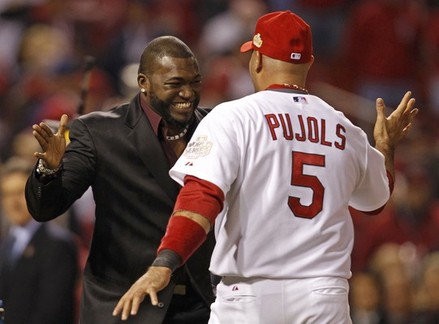




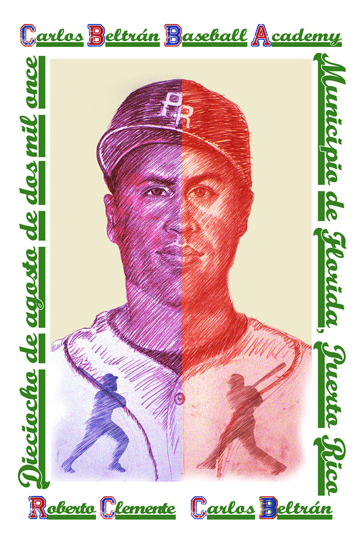








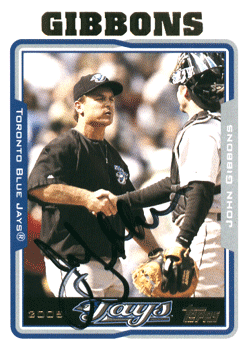



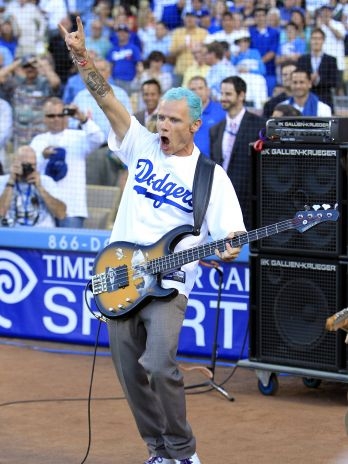


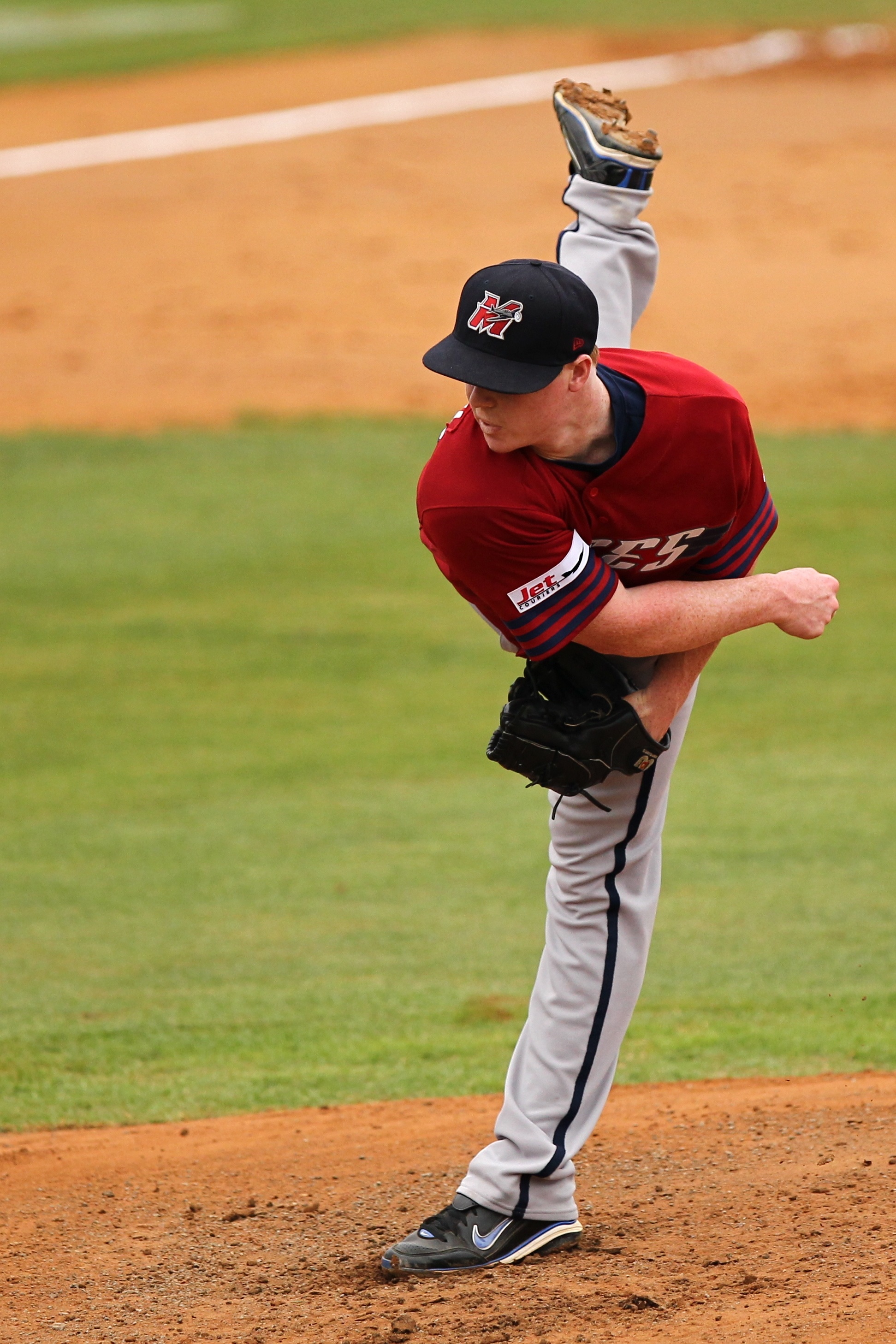
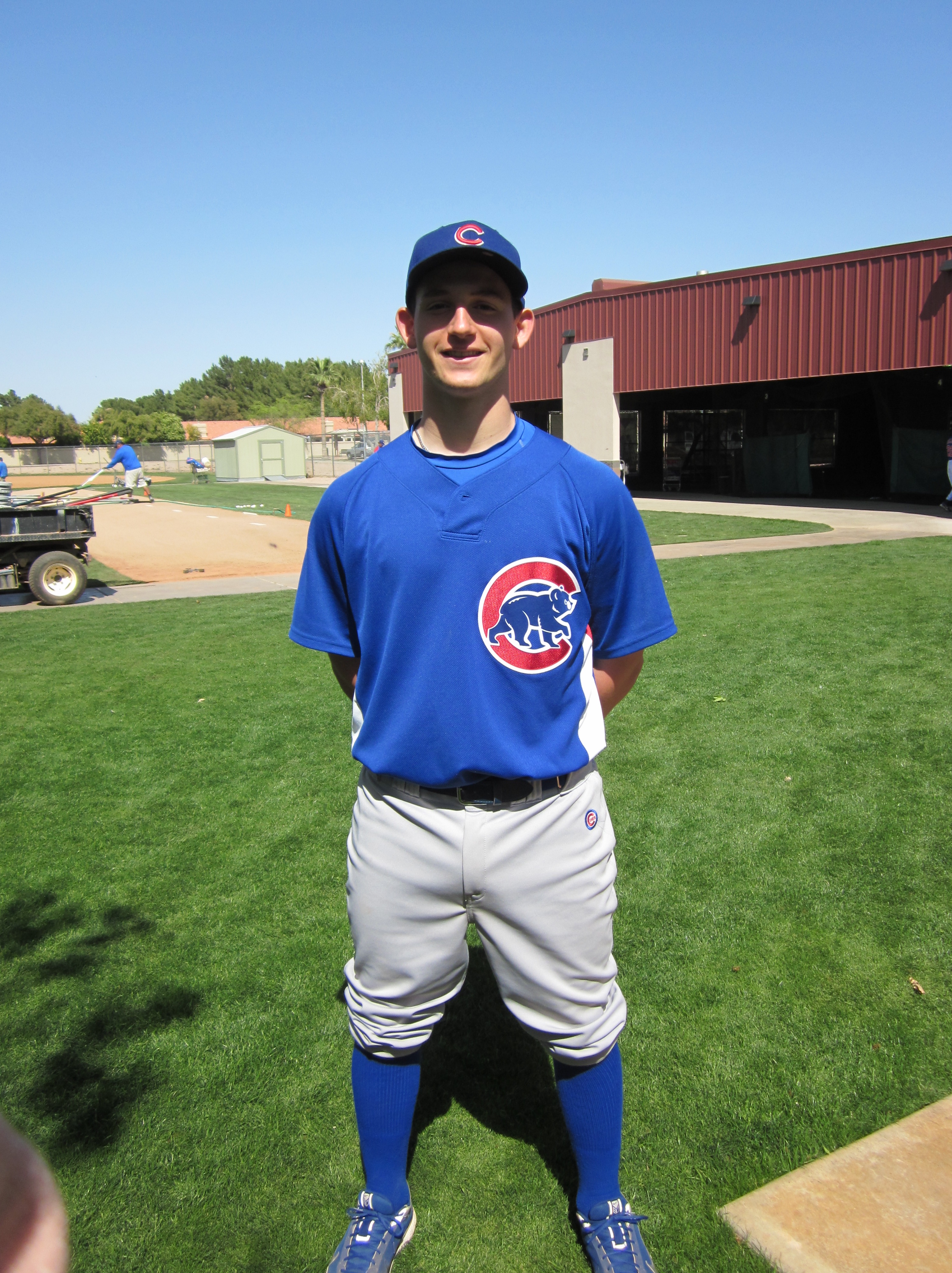




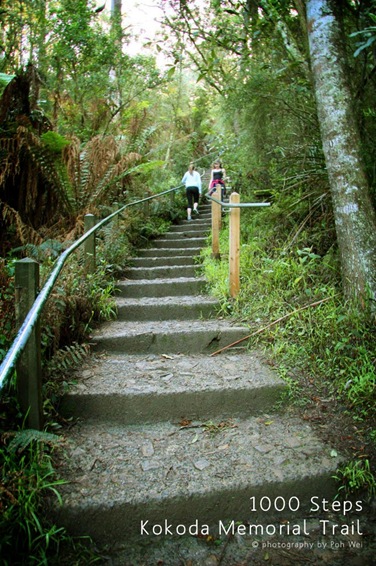


 mlbblogger