A cattle rancher with properties outside Houston and also in his hometown of Aguadulce, Panama, MLB free agent Carlos Lee may not know where he is headed to play for the 2013 season. Yet he does know that home is where the heart is, and right now Panama is his immediate destination for the upcoming World Baseball Classic Qualifier at Rod Carew Stadium in Panama City beginning with host Panama’s opening game against Brazil on November 15th and culminating with the live
MLB Network televised WBC Qualifier Final on November 19th at 5 PM (PST). Home Sweet Home Panama will be Lee’s final outpost when he decides to gracefully retire at the end of his celebrated Major League Baseball career. “When I’m finished, I’m planning to go back home,” Lee said. “I’m from Panama. It’s pretty safe and nice there.” Former Astros first baseman Carlos Lee chats with San Francisco Giants first base coach Roberto Kelly (also coincidently his manager for Team Panama)
and former Giants outfielder Carlos Beltran during
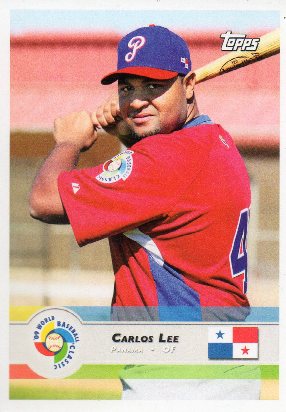
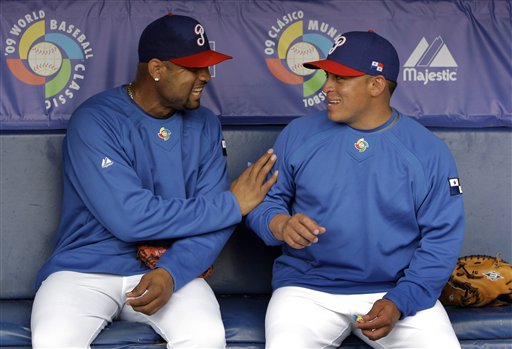
an August 2011 game at San Francisco’s AT&T Park.Although 36-year-old Carlos Lee was last seen wearing a Miami Marlins uniform after a 2012 midseason trade, he has always been a fan favorite from early on in his career while playing for Chicago White Sox (1999-2004), Milwaukee Brewers (2005-2006), Texas Rangers (2006) and Houston Astros (2007-2012). White Sox TV announcer Ken “The Hawk” Harrelson–who witnessed firsthand Lee’s 2004 28-game hitting streak, which broke the franchise record and surpassed Rod Carew’s 25-game record for a Panamanian player–knew that the three-time MLB All-Star (2005-2007) and two-time Silver Slugger (2005 & 2007) was a special player and coined him “El Caballo”. Ex-Houston Astros MLB All-Star Lance Berkman laughs as Panama’s Carlos Lee grabs him during a March 2009 exhibition spring training baseball game in Kissimmee, Florida. (AP Photo/David J. Phillip)
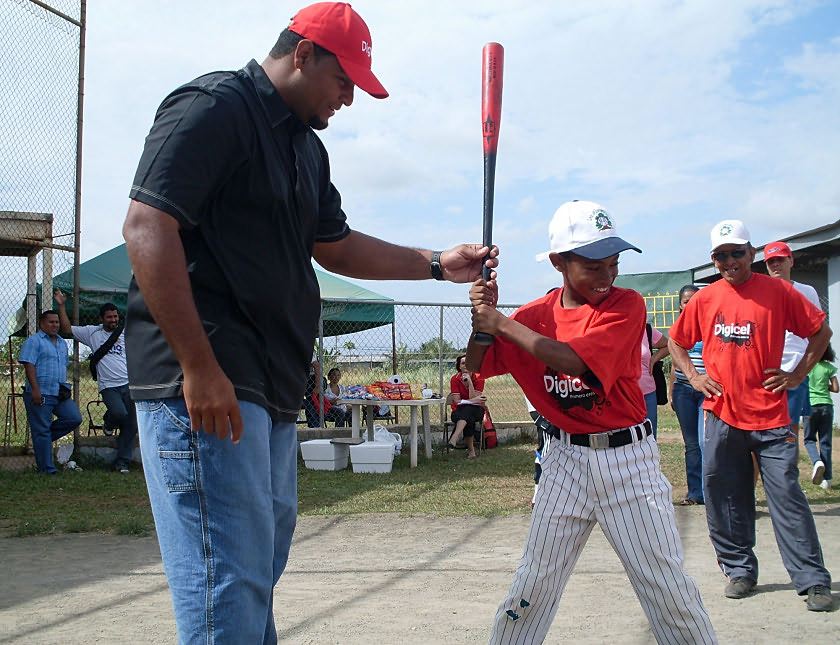
Carlos Lee regularly hosts baseball clinics in Panama.
Despite his place in the White Sox records book, many think of Lee as a lifetime Texan. As the cleanup hitter for Houston, he drove in 100 or more runs in three of his five Astro seasons, averaged 26 homers and hit over .300 three times. Carlos Lee would rather be known for his comparison to Texas ranching icon Nolan Ryan–not for his seven no-hitters, 27 major league seasons, the all-time strikeout record, or his 324 wins–but rather for Ryan’s 2011 Golden Spur Award, which recognizes leadership and exceptional service to the ranching industry.Minor Leaguers from Don Bosco were given MLB tips.
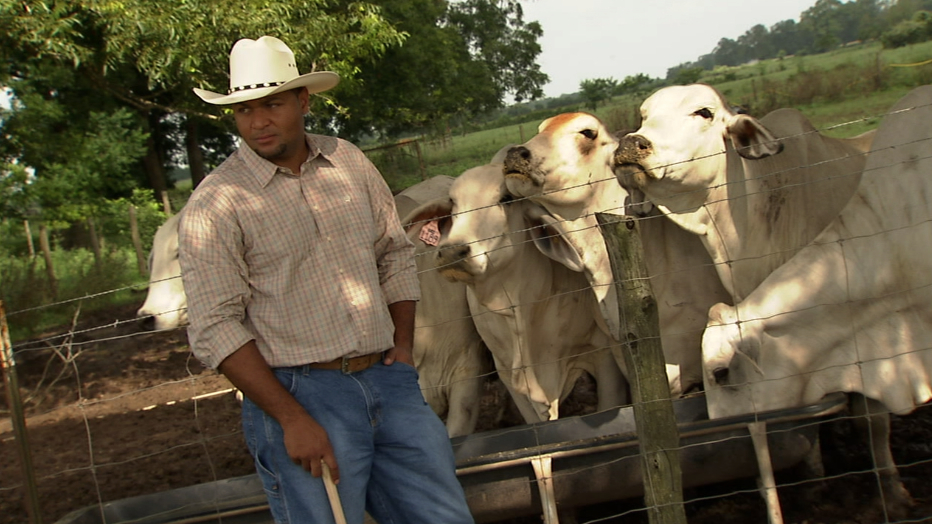
“El Caballo” lives up to his nickname as the owner of Slugger Ranch in Texas, where he raises prize-winning Brahman, and nine ranches in his native Panama. Lee instantly won credibility with his 2006 Brahman Grand Champion at the largest Brahman show in the world at the Houston Livestock Show and Rodeo. Two years later, he donated $25,000 and over 300 bales of hay to support Texas ranchers whose properties were ravaged by Hurricane Ike. Little Carlos poses next to dad’s prized Brahman at Ganadera Karla Mary in Aguadulce, Panama.
Father Carlos Lee at Slugger Ranch in Boling, Texas Growing up around his grandfather’s passion for cattle ranching, Lee is now passing down his love for baseball and cattle breeding to his own son, Carlos Alejandro. Jim Williams of V8 Ranch said of Lee: “Carlos is not only a good baseball player, but he’s also the most progressive breeder in Panama as far as importing top genetics. He probably knows the pedigree and bloodlines of his cattle like a sportscaster would know about statistics.”
Whether it’s the playing of the game of baseball, the breeding of cattle and quarter horses, or the roping of calf, Lee wants to leave behind the family legacy of being among Panama’s best. Baseball Hall of Famer Rod Carew, who was born in 1945 on a train in the city of Gatún–in what was then known as the Panama Canal Zone–currently holds the honorary title of Panama’s best all-time hitter. So it’s only appropriate that the country’s best–including “El Caballo” Carlos Lee–will be playing in the World Baseball Classic Qualifier under Panama’s legendary manager Roberto Kelly against Brazil, Colombia and Nicaragua at Panama City’s Rod Carew Stadiumbeginning November 15th. While handicappers are betting on
five days of modified double-elimination competition, insiders will be banking on plenty of horsepower from “El Caballo” Carlos Lee–who plans to lead Panama
from gate-to-wire en route to the WBC Winner’s Circle.Carlos Lee will lead Panama against Brazil, Nicaragua and Colombia in the WBC Qualifier.
Thanks to a clubhouse joke played by pitcher Antonio Alfonseca–who in a 2008 television interview referred to Ruiz as “chucha” (a Colombian slang term for “underarm odor”)–teammates, the media and baseball fans have since referred to the Panamanian MLB All-Star catcher by his beloved nickname “Chooch”. The sweat rebels sacrificed over a century ago which gave Panama independence from Colombia is reminiscent to that of national hero Carlos Ruiz’s in his improbable “I Think I Can” MLB ascent.“The Panamanian Express” Allan Lewis stole 116 bases for the ’66 Leeburg A’s before playing six seasons in MLB.Having passed on the 5-foot-8 Ruiz in two prior 1998 tryouts–once as a pitcher and a second time as an infielder–Phillies’ Panamanian scout Allan Lewis (AKA “The Panamanian Express” for being the 1967-73 Athletics’ pinch-running specialist) insisted on new international scouting director Sal Agostinelli fly to Ruiz’s hometown in David, Panama to give the Phillies organization one last look before giving up on this natural-born talent with an outstanding bat. While Agostinelli was having trouble considering Ruiz an infield prospect during the 1998 work out, Lewis suggested they try him out at catcher. After a few drills behind the plate with former Phillies Minor League catcher Agostinelli, it was apparent that Ruiz possessed enough athleticism, physical arm strength and promise to suggest it might just work. In what appeared to be a long shot $8,000 signing bonus in converting a second baseman to a position he had never played before, Philadelphia offered Ruiz a pro contract and an invitation to the Phillies Dominican Baseball Academy to become a catcher. Phillies scout Sal Agostinelli signed MLB All-Star Catcher Carlos Ruiz in 1999.
When Ruiz shared the news with his schoolteacher mother that he had been offered a $8,000 signing bonus with the opportunity to play in the Dominican Republic to start his professional baseball career in the Phillies organization, Inocenicia Rios was a bit nervous. After all, her 19-year-old son would be dropping out of school and abandoning his college coursework toward a degree in physical education for little money to beat the odds of making it to the Big Leagues at a position he was unfamiliar with.
Carlos Ruiz’s parents (shown above) knew how important it was for their son to pursue his dream of playing MLB and ultimately supported him.Nearly a decade later when her son caught the final pitch of the 2008 World Series to give the Phillies their second championship in franchise history, Panamanian President Martin Torrijos called Ruiz’s mother to congratulate her for supporting Carlos’ decision to realize his dream. Call it Panamanian pride or unconditional love for her son in what seemingly was a futile trip to the Dominican catching baseballs… In the end, the journey to MLB was definitely worth the 2008 World Series ring and the subsequent Presidential Ceremony honoring the Phillies catcher at President Torrijos’ residence at Palacio de las Garzas. When Ruiz was caught between a rock and a hard place having to decide whether to report early to 2009 Phillies Spring Training to work with the Philadelphia pitching staff or represent his country in the 2009 World Baseball Classic, President Torrijos sealed the deal for Team Panama with a personal phone call to encourage the isthmuth nation’s eighth ranked all-time leader in hits to participate in the international competition.Panama’s Rubén Rivera, left, jokes around with Carlos Ruiz during a training session before the 2009 World Baseball Classic in San Juan, PR. (AP Photo/Andres Leighton)Howard, Halladay and Ruiz celebrate
the 20th perfect game in MLB history.Although Ruiz has been heralded as one of baseball’s best hitters today, his skills behind the plate are top-notch. He has taken the initiative to study as much as he can about hitters by reading countless scouting reports on players. As he began to notice things take place on the field, Ruiz learned about which situations required certain strategies. By seeing the adjustments hitters were making, he adapted by calling pitches to counteract them. His confidence to call pitches and to control the pace of the game garnered him the trust of the Phillies pitching staff. Ruiz’s natural leadership skills and keen understanding of the game has made him perfectly suited to playing catcher. Perhaps the true testament to Ruiz’s mastery came and went twice when he caught Roy Halladay’s perfect game during the 2010 regular season and Doc’s no-hitter encore in the 2010 postseason.Panama’s Carlos “Calicho” Ruiz & “El Hombre Araña” Rubén Rivera.Phillies cleanup hitter Carlos RuizIt was recently announced that the Phillies picked up the $5 million club option on Ruiz’s contract for the 2012 All-Star catcher to return next season. That’s a good move for the rebuilding organization–considering that in 2012 Ruiz posted an all-time career best .325 batting average, which put him in a tie for seventh-best in the league among players with at least 400 plate appearances. His 32 doubles, 16 home runs, 68 RBI and a .935 OPS in 114 games kept Philadelphia alive in the NL wild card hunt late in the season. Despite a lagging foot injury in August which kept Chooch out of the lineup for some time, Carlos Ruiz hit cleanup for the 2012 Phillies in 32 games and fifth for another 32 games. However, Ruiz absolutely raked in the four hole, batting .365 with a .587 slugging percentage and 1.008 OPS in 138 plate appearances.
If Philadelphia doesn’t acquire a big right-handed slugger during the offseason, the Phillies may very well use Ruiz again in 2013 as their cleanup hitter.Panamanian flags will be waving during the World Baseball Classic Qualifier on November 15-19
at Panama City’s Rod Carew Stadium. Host Panama, Nicaragua, Colombia and Brazil compete
in a modified double-elimination tournament with the winner qualifying for the 2013 WBC.The pride of Boquerón–Carlos Ruiz will undoubtedly give host Panama an edge over neighboring Colombia, Brazil, and Nicaragua in the upcoming World Baseball Classic Qualifier on November 15-19 at the newly renovated Rod Carew Stadium in Panama City. If you can’t make it there in person, MLB Network will televise the final Qualifier game live from the Panama City, Panama pool on Monday, November 19th beginning at 5 PM (PST). The WBC Qualifiers, which expanded the competitive field of the tournament from 16 to 28 countries, has already seen Spain and Canada advance to the main tournament.
The winners from the Panama and Taiwan qualifying pools will join Spain and Canada in the first round WBC competition against Australia, China, Cuba, Dominican Republic, Italy, Japan, Korea, Mexico, Kingdom of the Netherlands, Puerto Rico, United States and Venezuela March 7-10 at Chase Field in Phoenix, Arizona and Salt River Fields at Talking Stick in Scottsdale. Second round WBC games will be held March 12-16 at Marlins Park in Miami, while the WBC Semi-Finals and Final take place March 17-19 at San Francisco’s AT&T Park. MLB Network will televise all 39 games of the 2013 World Baseball Classic. iViva el Béisbol!Carlos Ruiz is mobbed by his Phillies teammates after hitting a walk-off home run in May 2010.
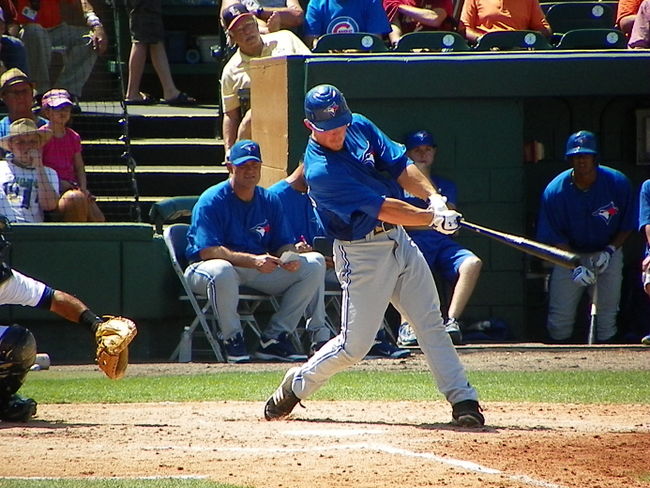
Detroit’s Octavio Dotel usually wrecks havoc on right-handed hitters like Canadian-born Marcus Knecht, but on April Fools in a 2012 Jays Spring Training game Toronto’s 2010 third-round draft pick had the last laugh by blasting his first Grapefruit League home run off the veteran Dominican bullpen specialist.Ex-Jays skipper/new Boston Red Sox Manager John Farrell sits and watches Marcus Knecht
launch a home run off Octavio Dotel in a 2012 Blue Jays Spring Training game on April 1st. Originally selected in the 23rd round of the 2008 Amateur First-Year Draft by the Milwaukee Brewers after making Langley, British Columbia’s Brett Lawrie their first-round pick, former Brewers scouting director and current Mariners General Manager Jack Zduriencik thought that a common denominator of Canadian blood would add up to two of the country’s finest prospects crossing the border together as one into Wisconsin. Mathematicians would agree that the strategy was logical since Knecht was Lawrie’s teammate on the Canadian Junior National Team, and the Brewers believed that Lawrie might be able to influence Knecht to sign with Milwaukee. Lawrie signed with the Brewers for a $1.7 million signing bonus before going to play for Team Canada in the 2008 Olympic Summer Games and eventually became a Blue Jay in a late 2010 trade for pitcher Shaun Marcum (who recently became a free agent and expressed interest in returning to the Blue Jays if the team is interested in having him back). Unlike Lawrie, Knecht instead passed on the offer to play professionally in the Brewers organization in favor of perfecting his game in U.S. collegiate ball while continuing to represent his country on Team Canada in international baseball competitions worldwide. Brett Lawrie (center) practices with members of the Canadian Junior National Team before a
2012 Blue Jays Spring Training exhibition game. (Photo by the Canadian Baseball Network)Jays’ Marcus KnechtAfter playing on Team Canada in the 2008 World Junior Baseball Championships in Edmonton and being named to the Tournament All-Star Team, Knecht was a major contributing member of the bronze medal- winning 2010 Baseball World Cup team and the gold medal-winning 2011 Pan American Games squad. Transferring from Oklahoma State University, where he struggled to get at-bats as a freshman, to Connors State College was instrumental for Knecht to develop in an everyday role in 2010. The results were off-the-charts as Knecht hit .453 with 23 homers, 20 steals and a .540 on-base percentage. He was selected in the third-round of the 2010 Amateur First-Year Draft by the Toronto Blue Jays after being followed by ex-Jays’ scouting director and current assistant GM Andrew Tinnish.Markus Knecht awaits the call-up to home at Rogers Centre. (Photo by Alexis Brudnicki)Accepting a $250,000 signing bonus, Knecht signed on-the-spot with Toronto and went straight to work in launching his pro career with Short-Season Single-A affiliate Auburn Doubledays (now affiliated with the Washington Nationals). After being voted the Canadian Baseball Network Player of the Year in 2010, the six-foot-one North York, Toronto native outfielder was promoted in 2011 to Single-A Lansing, where he posted a .273 average with a team-leading 16 home runs and 86 RBI for the Lugnuts. Knecht’s offensive power was noticed early on, and he was named a 2011 Midwest League Eastern Division All-Star. After impressing Jays skipper John Farrell (now with the Boston Red Sox) with his powerful bat and quick feet on the field during 2012 Blue Jays Spring Training, Knecht was assigned to Single-A Advanced Dunedin Blue Jays. It was May Day everyday for opposing pitchers who could not stop the red-hot Knecht during the month of May, when he rattled off 28 hits (including 7 doubles, 1 triple, and 6 home runs) accounting for 22 RBI.
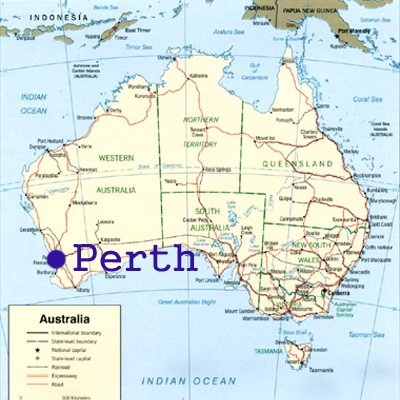
The 22-year-old is hoping to continue with his offensive prowess and defensive excellence as a member of the Australian Baseball League’s Canberra Cavalry. Second only to last season’s ABL Champion Perth Heat in team offense and pitching, the Canberra Cavalry narrowly missed the ABL playoffs. With the injection of Knecht’s “Can Do” attitude, Canberra will be charging right out of the gate for a 2013 playoff berth.
Like Sex and the City starlett Kim Cattrall, Carter Bell grew up in the small Vancouver Island, BC city of Courtenay. Opting out of the A-Rod spotlight method with the usual Hollywood fanfare and paparazzi, the 22-year-old Bell chose a lower profile means of pursuing his professional baseball career under the radar by playing for the Perth Heat in the Australian Baseball League.
Brewers’ Taylor Green made his MLB debut in 2012.Following the same path as Milwaukee Brewers’ infielder Taylor Green, the six-foot-one Canadian third baseman played high school baseball for the Parksville Royals of the British Columbia Premier Baseball League. Upon graduation, Bell was a 22nd-round selection by the San Francisco Giants in the 2008 MLB First-Year Player Draft but did not sign in favor
of accepting a scholarship to play ball for the Oregon State Beavers.Carter Bell (far right) and fellow 2010 OSU Beavers
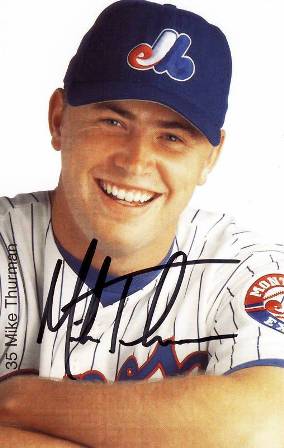
MLB noticed Bell early on when he donned a Team Canada uniform for the first-time at age 17. Representing his country in far away competitions held in Mexico, Japan as well as on his home turf, the BC All-Star chose the 2006 and 2007 NCAA National Champ Oregon State University baseball program to further develop his craft. The decision was sound as he was selected in the 29th round of the 2011 MLB June Amateur Draft and signed by the Arizona Diamondbacks following his junior year at OSU.Former Yakima Bear Carter Bell stands at attention during the playing of the national anthem.Hitting .270 in 41 games with eight doubles, two triples, one home run and 17 RBI, Bell’s pro debut with the 2011 Single-A Short Season Yakima Bears catapulted him to Single-A Advanced Visalia Rawhide in 2012. In Cal League play, he batted .259 in 81 games with 11 doubles, one triple, four home runs and 36 RBI. The road leading Down Under to the Perth Heat originated back in Oregon, where Bell played for former Perth Heat manager and long-standing Corvallis Knights skipper Brooke Knight after his first year at OSU. In his limited 10 games of 2009 West Coast League action, Bell hit .303 (10-33) with three RBI before suffering a season-ending concussion.Former Perth Heat Manager Brooke Knight led his team to two ABL Championships.MLB veteran and OSU All-Star Mike Thurman, a scout for the New York Yankees, was first to notice of Carter Bell’s athleticism. Brooke Knight credits his best friend since his college days in playing ball together at Oregon State University, Mike Thurman, for pointing him in right direction just north of the border to find the Victoria-born Carter Bell, who rapidly rose to prominence in the Comox Valley Baseball Association and BC Premier Baseball League before playing as a teenager for Team Canada. Speaking on the eve before departing to Australia to assist new Perth Heat skipper Steve Fish in preparing the reigning Australian Champions for next month’s Asia Series against its foreign counterparts from Japan, Taiwan, China and South Korea, Knight explained how Canadian import Carter Bell landed Down Under: “To his credit, Carter took the initiative to call me and express his initial desire to play for the Perth Heat. He still considers it a privilege to take on this challenge. I told him it was the perfect winter league for him to get his body ready for spring because the ABL offers something that cannot be found anywhere else. The atmosphere and structure keeps players healthy because the league emphasizes safety first by limiting play to four games a week, which allows you to rest your body and properly heal.”
Knight also read Bell the disclaimer and warned him of the Aussie side effects: “I told him that Australia was culturally different as well and when it gets hot in December one can get homesick real fast and start crying out for girlfriends.” Knight feels blessed to have had the opportunity to coach such fine players as Carter Bell in Perth and Corvallis. “With guidance, I have luckily ended up with the right kids. Carter is a solid player. I’m just waiting for him to breakout. He’s got gap power and can hit the ball well the other way (to the opposite field). His power numbers will bump up as they did for import Adam Melker, a St. Louis Cardinals prospect.” Adam was Carter’s teammate on Brooke Knight’s 2009 Corvallis Knights. They will reunite under Knight’s leadership on the Perth Heat in the upcoming 2012 Asia Series on November 8-11 in Busan, South Korea. Melker hit 10 home runs for Double-A Springfield in 2012 as compared to none in 2011. Knight believes in Carter Bell. “He’s got a chance to make a difference. Carter has good range and can play the corners, not to mention he’s a Team Canada All-Star Shortstop.”After impressing many in the Arizona Diamondbacks organization while playing for Single-A Advanced Visalia Rawhide in 2012, prospect Carter Bell will parlay his aggressive play for
the Australian Baseball League’s Perth Heat. (Photo by Ken Weisenberger/Strike3Photos.com)
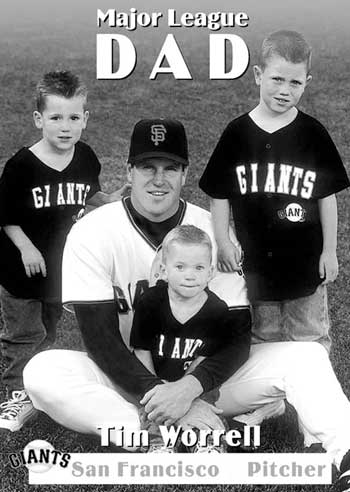
With 14 years of Major League Baseball pitching experience under his belt, it was a no brainer for San Diego’s AA affiliate in San Antonio to call on Tim Worrell to fill the shoes of former Missions’ pitching coach Jimmy Jones, who was summoned to become the new Padres bullpen. Hired by the parent-club San Diego Padres in 2010, Worrell had been working in Peoria, Arizona with the organization’s players in extended spring training and on rehab assignment prior to reporting to the Texas League team. Having to leave his wife and six boys back home in Phoenix to take on pitching coach duties in San Antonio, it wouldn’t be long before Worrell would be adopted by his new baseball family of international pitchers led by Aussie Hayden Beard. San Diego prospect Hayden Beard Hayden “Big Dog” Beard came off a strong 2011 campaign after pitching for Team Australia during
the Baseball World Cup in Panama as well as for
the Australian Baseball League’s Canberra Cavalry. During the 2011-12 Cavalry season, he earned himself ABL Player of the Week honours and a team-leading five wins with a 2.82 ERA. Heading into 2012 Padres Spring Training Camp, Beard looked radiant and as confident as ever. After leading High-A Lake Elsinore Storm to a 2011 Cal League Championship, it was natural for the right-handed hurler to saddle up for a promotion to Double-A San Antonio Missions. Although there were a few bumps in the road during the seemingly rough ride, the Aussie pitcher finished strong with a 6-5 record in just over 119 innings of work. Starting in 19 games, Beard gave his team a chance to win every outing. However, he relished after the All-Star break in his 12 bullpen appearances during which his strikeout totals accelerated to 69.
We caught up with family man Tim Worrell in the San Antonio Missions’ dugout recently and discussed how Padres pitching prospect Hayden Beard’s best years may have yet to come.
Roberto: 27-year-old Aussie pitcher Hayden Beard is a late bloomer because he had to sit out for three years due to nerve damage in his arm. The Padres obviously have faith in him by sending him your way in Double-A San Antonio. Having said that you reached the prime of your career at age 31, do you see some parallels between the two of you in showing him that there is light at the end of the tunnel?
Tim Worrell: Yeah, sure. Again, I never try to tell these guys where their careers could finish at. I’d be a dummy to tell them that. First off, he’s got a great live arm and great movement on his pitches. Sometimes he struggles a little bit with control and that obviously puts us in trouble. When we’re behind in the count regularly, it puts the hitters in hitter’s counts. But he’s definitely starting to get some of these approaches knowing that is an area he needs to work on. And that in itself ends up helping to control some of the results that end up happening to us. (You) can’t always control them all, but it does put us in a better position. And he is still working on fine-tuning his game. It wasn’t long ago that we sped him up a little quicker to the plate without giving up quality of stuff so that he could hold runners on first better. So there are definitely physical things we need to do and he needs to do to make his game better. But a lot of it is just believing and trusting his stuff.
Roberto: Watching his roommate Miles Mikolas get the call-up to the Padres, rubbing shoulders with last year’s surprise in the San Diego bullpen, Erik Hamren, and this year’s sensation, Nick Vincent, must have been inspirational for Hayden with the realization that he could be next. Having watched him pitch in Australia and in Lake Elsinore, the fact remains is that Hayden Beard is a great competitor. Now that he is paired up with you in San Antonio, I think it’s an awesome combination. I’m really happy that you guys are really able to work together in developing his craft.
Tim Worrell: Yep. And you brought up probably his number one attribute and that’s his competitiveness, which is probably the most important thing. Because a true competitor never gives in. We have to remind ourselves at times maybe that we are that. But they don’t give in, and they are always looking to get better and always looking to get the job done.Hayden Beard pitches during the MLB offseason for his hometown Canberra Cavalry.
As it was previously in 2010 and 2011, pitching is once again all the rage now in Major League Baseball. Despite seven no-hitters tossed in 2012 by starting pitchers Homer Bailey, Felix Hernandez, Matt Cain, Kevin Millwood (with the help of five relievers), Johan Santana, Jered Weaver and Phil Humber, it’s the men in the pen that garner most of the over-the-top baseball fanaticism. Leading the late-inning charge of borderline insanity is Aussie closer Grant Balfour of the Oakland Athletics. Often seen dumping water over his head before leaving the bullpen and talking to himself in-between pitches, Balfour’s on-field antics are undoubtedly the most anticipated sight to see in the 2012 MLB playoffs.The Oakland Athletics fans’ traditional ritual of raging before closer Grant Balfour enters the
game has resurrected sleepy baseball crowd participation to electric rock concert proportions. Aussie Grant Balfour is not afraid to express himself.The raging thunder from ‘Down Under’ was called upon by A’s manager Bob Melvin in five tightly-contested games on five consecutive days to lead Oakland to the American League West Division title. Balfour’s stellar late season hitless pitching insured the A’s sweep of the Mariners and Rangers. The six-foot-two, 34-year-old Sydney native threw an inning per day and retired all 15 batters faced–which extended his streak of putting consecutive batters away to 26. He is just one of two Australian professional players to compete in a World Series as a member of the 2008 American League Champion Tampa Bay Rays and is in a perfect position to get another crack at taking home a World Series ring in 2012 with the A’s.Grant Balfour sprays Oakland A’s fans after winning the 2012 American League West Division.
A’s Derek Norris and Grant Balfour Since August 11th, Grant Balfour has converted all 17 of his save opportunities while posting a 2.18 ERA, 0.73 WHIP and 26/6 K/BB ratio over 20 2/3 innings. After a three-year stint in Tampa Bay, Balfour signed a two-year contract worth 8.1 million dollars with the Oakland Athletics in January 2011. In his 62 innings of relief for the A’s during 2011, the hard-throwing right-handed hurler struck out 59 hitters and racked up five wins for the third-place Athletics. Acquired by the Rays in July 2007 from the Milwaukee Brewers in a trade sending pitcher Seth McClung to Miller Field, Grant Balfour did not make Tampa Bay’s 2008 Opening Day roster. However, after turning heads at Triple-A Durham and closer Troy Percival being placed on the disabled list early into the season, the Rays sent Ben Zobrist to Durham in exchange for Balfour. Assuming the role of Rays closer for the ailing Troy Percival until mid-July, Balfour ended his regular season campaign with an impressive 6-2 record and a 1.54 ERA.Fellow Aussie Travis Blackley joins Grant Balfour and the A’s post-game celebration.A’s closer Grant Balfour is in the prime of his career.Grant Balfour made his MLB debut back in 2001 for the Minnesota Twins. Having now passed former MLB star Graeme Lloyd on the career strikeout list for Australian-born pitchers, he is the quintessential Aussie baseball patriarch. A’s pitchers Grant Balfour and Travis Blackley have already made baseball history by becoming the first pair of Australian Major League players to compete in the MLB post-season on the same team.Grant Balfour had 24 regular season saves in a career-high 75 games during the 2012 season. The pitching duo of Balfour and Blackley have another opportunity to imprint their names in Aussie baseball history by becoming only the second and third Australians to win a World Series ring. A fairytale ending for Oakland’s Australian connection would be most appropriate as they both have played a major role in the A’s miraculous run to the American League West title and the post-season. Like a fine wine getting better with age, Sydney’s Grant Balfour and Melbourne’s Travis Blackley are at the pinnacle of their careers and are in line to catapult the underdog to a world championship.
It’s been 40 years since Roberto Clemente joined MLB’s elite 3000 hit club on September 30, 1972 after hitting a double off Mets’ lefty Jon Matlack at Three Rivers Stadium in Pittsburgh, PA.Baseball Hall of Fame Legend and Latino Hero Roberto Clemente reaches out for his 3000th hit.1972 National League Rookie of the Year Pitcher Jon Matlack Just one year prior to dishing out Roberto Clemente’s monumental 3000th hit in 1972, the young Mets prospect and the seven other American players on the
San Juan Senadores Winter League team were personally invited to visit Clemente at his home in Puerto Rico. Currently working as a Houston Astros Minor League pitching coordinator, Matlack recalled when Clemente gathered everyone in his trophy room to talk baseball: “I thought that was pretty classy on his part. He was very personable, showed us his trophy room and memorabilia and spent
a lot of time talking about hitting. Every part of me
was awe-struck.”Matlack reminisced: “This bat was leaning in a corner. Somebody asked about hitting, and he picked up the bat to demonstrate. I remember thinking, ‘That’s a big bat,’ and
I asked about it. He said it had the maximum dimensions. He set it back down, and when everybody sort of moved on, I grabbed hold of it. I could barely pick it up. It led me to believe how strong this guy really was.” Clemente’s strength was tested when Matlack faced “The Great One” six times prior to their final reunion in the fourth inning on September 30, 1972. Clemente was hitless off him with one walk in previous matchups. Matlack’s strategy this at-bat was to avoid a mistake on the inner half, while hoping Clemente would take a quality strike on the outside corner. On a 2-2 pitch, the lefty spun a curveball on the outside.Umpire Doug Harvey hands Roberto Clemente the game ball after he doubled off the Mets’ Jon Matlack for his 3,000th career hit on September 30, 1972.
Matlack said, “As it left my hand,
I was a little upset, because I realized this thing’s not going to make the strike zone. But he took that long stride, kept himself back and pulled it off the left-center-field wall for a double.” Matlack did not recognize what had happened until the second-base umpire, Doug Harvey, presented the ball to Clemente. Jim Fregosi, the Mets’ shortstop who retrieved it, remembered Clemente’s rather nonchalant reaction. He raised his helmet briefly to the fans. Fregosi said, “He was pretty cool about everything he did. That’s how he was.” Fregosi believed Clemente understood the importance of #3000.
The Roberto Clemente Award is given annually to a player who demonstrates the values Clemente displayed in his commitment to community and understanding the value of helping others. Each of the 30 MLB clubs nominate a player, and the winner is announced during the World Series. Baseball fans will be automatically registered for a chance to win a grand prize trip for four to the 2012 World Series or $2500 of baseball equipment donated to the their community and an MLB.com gift card when they participate in the process of selecting the national award recipient by clicking HERE
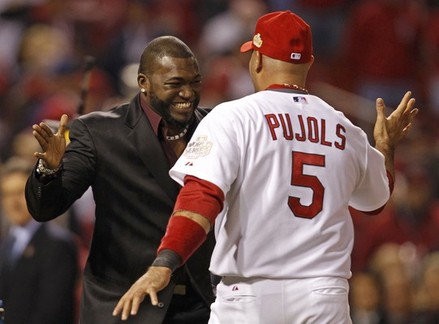
to vote for their favorite 2012 Roberto Clemente Award nominee: Willie Bloomquist (Arizona D-backs), Tim Hudson (Atlanta Braves), Jim Johnson (Baltimore Orioles), Jon Lester (Boston Red Sox), David DeJesus (Chicago Cubs), Jake Peavy (Chicago White Sox), Todd Frazier (Cincinnati Reds), Jason Kipnis (Cleveland Indians), Michael Cuddyer (Colorado Rockies), Miguel Cabrera (Detroit Tigers), Wesley Wright (Houston Astros), Alex Gordon (Kansas City Royals), C.J. Wilson (Los Angeles Angels), Clayton Kershaw (Los Angeles Dodgers), Logan Morrison (Miami Marlins), Rickie Weeks (Milwaukee Brewers), Justin Morneau (Minnesota Twins), Johan Santana (New York Mets), Mark Teixeira (New York Yankees), Brandon McCarthy (Oakland Athletics), Jimmy Rollins (Philadelphia Phillies), Chris Resop (Pittsburgh Pirates), Matt Holliday (St. Louis Cardinals), Luke Gregerson (San Diego Padres), Matt Cain (San Francisco Giants), Felix Hernandez (Seattle Mariners), David Price (Tampa Bay Rays), Michael Young (Texas Rangers), Ricky Romero (Toronto Blue Jays) and Ryan Zimmerman (Washington Nationals).2008 Roberto Clemente Award winner Albert Pujols congratulates David Ortiz after being named 2011 Roberto Clemente Award winner before game two of the 2011 World Series between the St. Louis Cardinals and Texas Rangers.Past Roberto Clemente Award winners have included David Ortiz, Tim Wakefield, Derek Jeter, Albert Pujols, Craig Biggio, Carlos Delgado, John Smoltz, Edgar Martinez, Jamie Moyer, Jim Thome, Curt Schilling, Al Leiter, Tony Gwynn, Sammy Sosa, Eric Davis, Kirby Puckett, Ozzie Smith, Dave Winfield, Barry Larkin, Cal Ripken, Jr., Harold Reynolds, Dave Stewart, Gary Carter, Dale Murphy, Rick Sutcliffe, Garry Maddox, Don Baylor, Ron Guidry, Cecil Cooper, Ken Singleton, Steve Garvey, Phil Niekro, Andre Thornton, Greg Luzinski, Rod Carew, Pete Rose, Lou Brock, Willie Stargell, Al Kaline, Brooks Robinson and Willie Mays.Willie Mays congratulates Roberto Clemente after hitting his 3000th and final career regular season hit in a game against the Mets in Pittsburgh on September 30, 1972.
2011 Branch Rickey Award recipient Shane Victorino Shane Victorino, star center fielder of the Los Angeles Dodgers and winner of the 2011 Branch Rickey Award,
was inducted as the 20th member of the Baseball Humanitarians Hall of Fame last November. Created by the Rotary Club of Denver in 1991, the Branch Rickey Award honors MLB personnel who contribute unselfishly to their communities and who are positive role models for young people. All 30 Major League teams nominate
a player, coach or executive–either active or retired–who personify Rotary International’s motto of “Service Above Self” for this nationally-acclaimed award named in honor of the late baseball executive Branch Rickey–best known as “Mr. Baseball” for breaking baseball’s color barrier by signing Jackie Robinson and hiring the first Latin American to be selected to the Hall of Fame, Roberto Clemente.
2012 Branch Rickey Award recipient R.A. Dickey It was announced recently that the National Selection Committee–comprised of 300 members of the sports media, past award winners, baseball executives and Rotary district governors–had chosen R.A. Dickey, star pitcher of the New York Mets, as the winner of the 2012 Branch Rickey Award and the 21st member of the Baseball Humanitarians Hall of Fame. Dickey was recognized for his charity work distributing baseball equipment and medical supplies internationally
as well as raising money for an organization rescuing young women from forced prostitution in India.
Jackie Robinson and Branch Rickey at contract signing Other 2012 Branch Rickey Award nominees included: Joe Saunders,
Tim Hudson, Adam Jones, David Ortiz, Tony Campana, Jake Peavy, Jay Bruce, Vinnie Pestano, Jeremy Guthrie, Justin Verlander, Bud Norris, Alex Gordon, Jered Weaver, Don Newcombe, Emilio Bonifacio, Rickie Weeks, Justin Morneau, David Robertson, Kurt Suzuki, Ryan Howard, Chris Resop, Matt Holiday, Orlando Hudson, Matt Cain, Felix Hernandez, Joe Maddon, Michael Young, Ricky Romero, and Ryan Zimmerman. In years past, Past Branch Rickey Award recipient and Baseball Humanitarians Hall of Fame Inductee Torii Hunter’s positive impact on youth in need is felt worldwide.Branch Rickey Award winners have included: Dave Winfield, Toronto Blue Jays; Kirby Puckett, Minnesota Twins; Ozzie Smith, St. Louis Cardinals;
Tony Gwynn, San Diego Padres; Brett Butler, Los Angeles Dodgers; Craig Biggio, Houston Astros; Paul Molitor, Minnesota Twins; Al Leiter, New York Mets; Todd Stottlemyre, Arizona Diamondbacks; Curt Schilling, Arizona Diamondbacks; Bobby Valentine, New York Mets; Roland Hemond, Chicago White Sox; Jamie Moyer, Seattle Mariners; Tommy Lasorda, Los Angeles Dodgers; John Smoltz, Atlanta Braves; Trevor Hoffman, San Diego Padres; Torii Hunter, Los Angeles Angels of Anaheim; Vernon Wells, Toronto Blue Jays; and Shane Victorino, Philadelphia Phillies.
When the 2008 Dirtbag reliever was called up to join the Padres in MLB in May, Nick Vincent became the 13th former Long Beach State ballplayer in the major leagues this season and the 42nd
in school history. Since the right-handed hurler was summoned, CSULB is once again on top for the most major leaguers from any college–an honor the team has held in 2010 and 2011.Ramona’s hometown hero Nick Vincent is a solid contributor in the San Diego Padres bullpen.Pitcher Nick Vincent in 2007Getting to the big leagues for this determined 26-year-old resident of Ramona, a secluded town of 40,000 inhabitants in the foothills northeast of San Diego was a grind. Inspired by his father–who along with his brother–played catch with him at age five and later instilled a strong work ethic as a youth helping with the family business, Nick became Valley League Pitcher of the Year as a senior at Ramona High School and led the Bulldogs to the CIF San Diego Section Division III semi-finals. Vincent was granted a medical redshirt because of a strained right elbow in the first season of his long three-year commute to Palomar College in San Marcos. He learned the fine intricacies of the game and developed his craft before his journey north to Cal State Long Beach–where he transformed into the Dirtbag Stopper under pitching coach Troy Buckley.
Coach Troy Buckley With a perfect 4-0 record and a 1.75 ERA over 30.3 innings and 26 appearances in relief, Vincent was instrumental in Long Beach State Dirtbag’s 2008 Big West Championship. The San Diego Padres took notice and selected Nick Vincent in the 18th-round of the 2008 MLB Amateur Draft. Vincent spent the entire 2009 and 2010 seasons with Padres’ Single-A Advanced affiliate Lake Elsinore, where his 3.08 ERA in 2009 was nearly cut in half to a 1.59 ERA in 2010. The six footer was promoted in 2011 to Double-A San Antonio, where he appeared in a Missions’ club record 66 games and struck out 89 batters in 79.3 innings during the regular season. He was named to the Texas League All-Star team and led San Antonio to a Texas League Championship. After posting an 8-2 record with a 2.27 ERA in 66 appearances for Double-A San Antonio and being named mid-season 2011 Texas League All-Star, Vincent was the final player added to the Padres 40-man roster last November to protect him from being exposed to the Rule 5 draft.Nick Vincent waves to fans at PETCO.Vincent was stellar in the 2011 playoffs, when he pitched six scoreless innings without giving up a walk and striking out 11. The California native made a strong case to make the Padres 2012 opening day roster after three spring training relief appearances, during which he didn’t allow a hit in three innings and struck out three. Instead, an ankle sprain kept him in Arizona for rehab and extended spring training. We spoke with Nick Vincent shortly after his May 18th call-up to MLB and his reassignment from Triple-A Tucson Padres to Double-A San Antonio, where he decided to abandon throwing out of the windup because it put too much pressure on his ankle. The results were remarkable as he went 1-0 with a 1.86 ERA in 9.6 innings of relief, ringing up 15 without issuing a walk. Since being called up
a fourth-time to the Padres this year, Vincent has been impressive in the bullpen by providing middle relief with a 2-0 record and a 1.83 ERA. San Diego Padres Manager and ex-pitcher Bud Black
Padres manager Bud Black said of the reliever. “We like Nick’s stuff and he throws strikes. Nick knows his game. He throws a cutter and fastball to both sides of the plate. His game works. He’s just a little bit more consistent than some of the other guys that have come up. We like how he’s throwing the ball, we like his stuff.
He does a lot of things well.” A cordial and genuinely nice guy, Nick Vincent also has the positive disposition and outlook to make the new ownership of the San Diego Padres proud to see a local boy realize his dream in MLB.
Roberto: How are you feeling after being called up to the major leagues as a Padre? Nick Vincent: I feel pretty good. It was an unreal experience. I mean the first day I was just in awe. How it happened and all that. And then the second day I actually felt it like ’Wow, you’re in the big leagues. This is what it feels like’ kind of thing. When they told me that I was going back down, I wasn’t too surprised. But that feeling you get in your body from going from Tucson (AAA) to the big leagues is an unreal feeling. I don’t think I have ever felt that feeling before in my life. Roberto: How important was your college baseball experience in becoming a pro leaguer? Nick Vincent: I played down at Palomar Junior College down in San Marcos. Played there for three years. I got hurt my first year, and there is where I learned most of my baseball. From high school to that, I learned probably ten times from what I knew about baseball from high school. It was unreal, and then I just carried that on to Long Beach with my numbers and stuff. And just started pitching well out of the bullpen there. The main reason I went to Long Beach is because the pitching coach there: Troy Buckley. I mean he had the best ERA in 2004 or 2005 with (Jered) Weaver, (Neil) Jamison, (Abe) Alvarez…they had all these pitchers. And I talked with one of them, Neil Jameson, because he went to Ramona. He was like: ‘If you want to learn how to pitch, this guy knows his stuff.’ That was the main reason
I went there because I didn’t know if they were going to be a good team or not. I didn’t check into that, but I thought if I wanted to continue pitching then I’m going to go with the best pitching coach. Roberto: How good can it get to be pitching professionally where you grew up as a kid? Nick Vincent: I mean San Diego is all the way around probably the best city in California…just because of the weather. There is so much stuff to do. You go two hours, and you’re in the snow. You’re right by the beach. You can go fishing. You can go to the lakes. There is just so much stuff you can do around downtown. I mean you can’t really do that in LA. Roberto: How did your family react seeing you in a Padres uniform at PETCO on May 18th? Nick Vincent: My dad had bought like 80 tickets. I think he only gave out 50. But he ended up bringing the other ones back, and they reimbursed him for those tickets he didn’t use–so that was cool of the Padres. When I warmed up in the seventh inning, I got up to throw and the whole section right by the bullpen–that’s where he had bought all the tickets–erupted. Friends, family, from high school, my brother’s friends, other friends..it was pretty cool! Roberto: How have you coped with the pressures of staying up in the big leagues? Nick Vincent: I went up there and learned some stuff. I mean when you go up there when the game starts, it’s all business. There’s not too much messing around..none of that! So that was one of the biggest things I felt. Everyone is pretty serious..like every pitch. You’re watching every pitch. Nervousness…no matter what…that first inning you throw–you’re always going to be nervous no matter what. And as soon as you get through all of that…then that’s when everything will start cooling down. I mean I’m excited. I’ve got to get the ball down, keep pitching better. Be smart of what I ‘m throwing and get the ball down. I was up in Tucson (AAA), and I was leaving the ball up a lot so they told me I was coming down here (AA). You don’t pitch (well) there, you get moved down. That’s just how baseball is. Roberto: Is your cutter your best pitch? Nick Vincent: Yeah, I can throw my cutter to both sides of the plate. It has good late life. Roberto: Is it a dream come true getting drafted and playing Major League Baseball? Nick Vincent: I mean everyone who gets drafted…that’s where they hope their destiny is. But I mean you got to earn it. So for me I’ve got to come down here and throw strikes and get people out. I mean I would hope to get back there, but at the same time they are not going to be bring me back up if I’m not pitching good. So I’ve got to get back doing my thing, get people out and hopefully…I mean that’s where I want to be (in MLB). If I’m pitching good, that’s where I’ll be. But if I’m not pitching good, then I’ll be down here (in AA).Roberto: Have you always been a pitcher way back to your Little League days? Nick Vincent: In Little League and stuff, I pitched but not to be like good at it. I just did it because no one else could throw strikes. And I played outfield more back then. High school came along. The JV coach wanted me to be a pitcher so I went ‘okay’ and I started pitching then. Junior and senior year came along, and I just pitched. That’s all I did. So after that, pitching was the only thing that I could go to. Roberto: Is there a different mindset being a reliever than being a starting pitcher? Nick Vincent: Yeah, it’s a way different thing. You can’t be a reliever and go out there and try to start and have the same mentality because you’re not going to. You can’t go out there and throw an inning as hard you can and expect to be that good the next inning. So starting and relieving are two different things. I mean I started at junior college. I liked it. I started doing relief at Long Beach, and I liked that too. For me I think I would be more successful as a reliever out of the bullpen because you get that adrenaline going. And like for me, I want to go in with guys on base right after a starter and we’re like winning or something. And you just shut those guys down and don’t give in and take the momentum from the other team. Roberto: What kind of pre-game preparation and research on the opposition are you doing? Nick Vincent: I’m not really doing much. If you’ve only got two pitches. you’re going to throw those two pitches no matter what. Just because they can’t hit a change-up, you’re not going to start throwing change-ups because your change-up is not the same as everyone else’s change-up. For me I’m just going to go out there, and I just look where they’re at standing at the plate. I’m kind of studying them throughout the series, but
I mean it only takes one game to figure out what these guys can do, what they want to do with the ball. If the guy wants to go opposite field with it, then that’s where he’s going to hit the ball that way the whole time. And then you have to play the whole field. If the wind is blowing in this way, you can throw pitches that way. You got more chance for error. I just go up there, and I learn from where they’re standing in the box. I trust our catchers too. Our catchers are watching the game more than I am. So I trust them with their knowledge.Roberto: Are you paying much attention to baserunners when you are on the mound? Nick Vincent: Yeah, you’re always taking note that they are on base, but they’re not taking my concentration off the hitter at all. I mean I’m pretty quick to the plate so if they want to steal and take the chance of getting out…I’ll let the catcher do his job. I don’t throw many balls in the dirt. I’m more of a strike guy. If they want to chance it and run for second base, I’ll let them and let the catcher throw them out. I’m not really too worried about the guys on base. Roberto: How good of a hitter are you with the bat? Nick Vincent: I’m not good with the bat. I got one AB last year, and I struck out. When you haven’t hit since high school and you try to go out there, it’s coming like a 100 miles an hour. Or least that’s what it feels like. Roberto: If Bud Black calls on you to sacrifice, can you at least lay down a bunt? Nick Vincent: If I had to, I could get that down. Bunting off a machine is way different than bunting off a guy in a game. I know that… Roberto: Do you have any advice for young baseball players trying to make it in MLB? Nick Vincent: I mean just go out there and work hard. Prove people wrong, that’s what I’ve done my whole life. They always said I wasn’t going to get drafted because I was too small and didn’t throw hard enough and all that. So that just gives you fire kind of deal.
You go out there and let’s say you’re throwing 85, 86 and you’re getting people out—you’re getting people out! Baseball is a numbers game. Sooner or later they’re going to have to give you a chance. That’s all I have to get back to doing and see what happens from there. Roberto: Who were some the players that had the greatest influence on you as a pitcher? Nick Vincent: Back in the 90’s when it was Glavine, Maddux and Smoltz, that starting rotation right there. It seemed like they were on TV every night. Watching them…what Maddox could do with ball, and then Smoltz throwing fastballs by people and Glavine had his change-up. That three starting line-up was like unreal. As a starting rotation, those were probably my favorite guys I liked to watch. Roberto: Thanks for your time today, and we look forward to seeing you back at PETCO! Nick Vincent: Thank you and have a good day.
 A cattle rancher with properties outside Houston and also in his hometown of Aguadulce, Panama, MLB free agent Carlos Lee may not know where he is headed to play for the 2013 season. Yet he does know that home is where the heart is, and right now Panama is his immediate destination for the upcoming World Baseball Classic Qualifier at Rod Carew Stadium in Panama City beginning with host Panama’s opening game against Brazil on November 15th and culminating with the live
































 mlbblogger